
Guiding Light Recovery: A Comprehensive Overview (Updated 02/03/2026)
Guiding Light Recovery employs structural‚ soft tissue‚ and movement evaluations‚ establishing goals‚ and utilizing light therapy for diverse conditions‚ offering a holistic approach․
What is Guiding Light Recovery?
Guiding Light Recovery is a multifaceted therapeutic approach centered around restoring optimal function and well-being through a combination of precise evaluations and targeted interventions․ It’s a system designed to address a wide spectrum of health challenges‚ from physical limitations and chronic pain to mental health concerns like depression and anxiety‚ and even supporting individuals facing advanced disease․
The core of this recovery method lies in its comprehensive assessment process‚ encompassing structural evaluations‚ detailed soft tissue analysis‚ and thorough movement assessments․ These evaluations aren’t merely diagnostic; they serve as the foundation for creating personalized treatment plans with measurable clinical goals․
Furthermore‚ Guiding Light Recovery uniquely integrates light therapy (LT) as a safe and convenient treatment modality‚ leveraging its potential to alleviate symptoms and promote healing․ The overarching philosophy emphasizes establishing clear guiding principles to navigate the recovery journey effectively․
The Core Principles of Guiding Light Therapy
Guiding Light Therapy fundamentally revolves around the concept of holistic restoration‚ acknowledging the interconnectedness of physical‚ emotional‚ and cognitive well-being․ A central tenet is the establishment of “guiding principles” – core values that serve as a compass for decision-making and behavioral change throughout the recovery process․
All actions are rigorously evaluated against these principles‚ ensuring alignment and fostering a sense of purpose and direction․ This approach isn’t simply about symptom management; it’s about cultivating a life guided by intention and authenticity․
The therapy emphasizes leading‚ directing‚ and influencing positive change‚ drawing upon knowledge and experience to empower individuals․ It’s a process of gently guiding patients towards self-discovery and sustainable wellness‚ fostering resilience and a renewed sense of control over their health․
Historical Context and Origins
The precise historical origins of Guiding Light Recovery as a formally defined therapeutic modality are still evolving‚ representing a convergence of established practices․ It draws heavily from principles found in manual therapies – structural and soft tissue mobilization – which have roots stretching back centuries․
However‚ the integration of light therapy (LT) as a core component‚ and the emphasis on establishing personalized “guiding principles‚” represent a more recent innovation․ Research from 2020 by YL Liu highlights the growing use of immune checkpoint inhibitors‚ influencing modern approaches․
The therapy’s focus on direction and influence echoes historical concepts of mentorship and guidance‚ adapted for contemporary healthcare needs․ OC Voinea’s 2023 work further informs the treatment’s holistic nature‚ blending traditional techniques with cutting-edge understanding․

Understanding the Therapeutic Approaches
Guiding Light Recovery utilizes structural evaluations‚ soft tissue mobilization‚ and movement assessments to re-educate patients‚ fostering measurable clinical improvements and personalized care․
Structural Evaluations in Guiding Light Recovery
Structural evaluations form a cornerstone of Guiding Light Recovery‚ meticulously assessing the body’s foundational alignment and identifying areas of dysfunction․ This comprehensive process goes beyond simply pinpointing pain; it delves into the underlying biomechanical imbalances contributing to discomfort and limited movement․ Therapists employ a variety of techniques‚ including postural analysis‚ range of motion testing‚ and palpation‚ to gain a holistic understanding of each patient’s unique structural presentation․
These evaluations aren’t static snapshots but rather dynamic assessments‚ considering how different body parts interact and influence one another․ Identifying restrictions in joint mobility‚ muscle imbalances‚ and fascial adhesions allows for a targeted treatment plan․ The goal isn’t merely to address symptoms but to restore optimal structural integrity‚ enabling the body to function more efficiently and effectively․ This detailed approach ensures that interventions are precisely tailored to the individual’s needs‚ maximizing the potential for lasting relief and improved well-being․
Soft Tissue Mobilization Techniques
Soft tissue mobilization is integral to Guiding Light Recovery‚ addressing restrictions within muscles‚ tendons‚ ligaments‚ and fascia․ These techniques aim to release tension‚ restore flexibility‚ and improve circulation‚ facilitating the body’s natural healing processes․ Therapists utilize a range of manual therapies‚ including myofascial release‚ trigger point therapy‚ and deep tissue massage‚ adapting their approach based on individual patient needs and responses․
The focus extends beyond simply breaking up adhesions; it’s about restoring the optimal length and tension of soft tissues‚ allowing for improved movement patterns and reduced pain․ By addressing these underlying restrictions‚ Guiding Light Recovery aims to alleviate discomfort‚ enhance functional capacity‚ and promote long-term structural balance․ This hands-on approach complements structural evaluations‚ creating a synergistic effect for comprehensive care․
Movement Assessments and Re-education
Movement assessments within Guiding Light Recovery are crucial for identifying dysfunctional movement patterns that contribute to pain and limited function․ Therapists conduct thorough evaluations of posture‚ gait‚ and specific movements to pinpoint areas of weakness‚ imbalance‚ or restricted mobility․ This detailed analysis informs a personalized re-education program designed to restore optimal movement mechanics․
Re-education focuses on retraining the neuromuscular system‚ improving body awareness‚ and promoting efficient movement strategies․ Exercises are carefully selected to address identified deficits‚ progressing from simple to complex movements as the patient gains strength and control․ The goal is not merely to alleviate symptoms‚ but to empower individuals with the ability to move freely and confidently‚ preventing future recurrence of issues and enhancing overall well-being․

Applications and Conditions Treated
Guiding Light Recovery effectively addresses sleep disorders‚ depression‚ anxiety‚ cognitive function‚ and even metastatic microsatellite unstable colorectal carcinomas with immune checkpoint inhibitors․
Treatment of Sleep Disorders with Guiding Light
Guiding Light Recovery offers a promising avenue for alleviating sleep disorders‚ leveraging the safe and convenient nature of light therapy (LT)․ Many individuals struggle with disrupted sleep patterns‚ impacting their overall health and well-being․ LT‚ as a physical treatment method‚ works by influencing biological processes that regulate sleep-wake cycles․
This approach may help to re-establish a natural circadian rhythm‚ promoting more restful and restorative sleep․ The therapy is non-invasive and generally well-tolerated‚ making it an attractive option for those seeking alternatives to traditional sleep aids․ Through careful assessment and personalized treatment plans‚ Guiding Light Recovery aims to address the underlying causes of sleep disturbances and improve sleep quality‚ leading to enhanced daytime functioning and a better quality of life․
Addressing Depression and Anxiety
Guiding Light Recovery recognizes the profound impact of depression and anxiety on individuals’ lives‚ offering light therapy (LT) as a potential therapeutic intervention․ LT’s mechanisms of action may positively influence neurotransmitter activity and brain function‚ areas often dysregulated in mood disorders․ As a safe and convenient physical treatment‚ it presents a compelling option‚ either as a standalone therapy or in conjunction with other established approaches․
The goal is to alleviate symptoms‚ improve emotional regulation‚ and foster a greater sense of well-being․ Guiding Light Recovery emphasizes a holistic approach‚ combining LT with personalized support and guidance․ This integrated strategy aims to empower individuals to manage their mental health challenges and reclaim a fulfilling life‚ promoting resilience and lasting positive change․
Cognitive Function Improvement
Guiding Light Recovery explores the potential of light therapy (LT) to enhance cognitive function‚ addressing areas like memory‚ focus‚ and processing speed․ Emerging research suggests LT may stimulate neuronal activity and improve cerebral blood flow‚ crucial for optimal brain performance․ This non-invasive approach offers a promising avenue for individuals experiencing cognitive decline or seeking to optimize their mental acuity․
The therapy is tailored to individual needs‚ incorporating specific light wavelengths and exposure durations․ Guiding Light Recovery aims to improve cognitive performance‚ enhance clarity‚ and support overall brain health․ It’s often integrated with other therapeutic modalities‚ creating a comprehensive plan to address cognitive challenges and promote lasting improvements in mental capabilities and daily functioning․
Microsatellite Unstable Colorectal Carcinomas ⎯ Immune Checkpoint Inhibitors
Guiding Light Recovery acknowledges the significant role of immune checkpoint inhibitors (ICIs) as a first-line treatment for metastatic microsatellite unstable colorectal carcinomas (MSI-CRC)․ While ICIs demonstrate efficacy‚ patients often experience side effects impacting quality of life․ Our approach integrates supportive therapies‚ including light therapy‚ to mitigate these adverse effects and enhance treatment tolerance․
We focus on bolstering the patient’s overall well-being alongside conventional oncology care․ Guiding Light Recovery aims to reduce fatigue‚ improve sleep‚ and manage anxiety—common challenges for individuals undergoing ICI therapy․ By addressing these symptoms‚ we strive to optimize treatment outcomes and empower patients throughout their cancer journey‚ fostering resilience and a better quality of life․

The Role of Light Therapy (LT)
Guiding Light Recovery utilizes Light Therapy (LT) as a safe‚ convenient‚ and physical treatment modality to alleviate symptoms like sleep disorders and depression․
Safety and Convenience of Light Therapy
Guiding Light Recovery prioritizes patient well-being‚ and Light Therapy (LT) stands out as a remarkably safe and convenient treatment option․ Unlike many interventions‚ LT is a non-invasive physical method‚ minimizing potential risks and side effects․ This accessibility makes it particularly appealing for individuals seeking alternatives to pharmacological approaches or those hesitant about more complex therapies․
The convenience factor is also significant․ LT sessions can often be integrated seamlessly into a patient’s routine‚ requiring minimal disruption to daily life․ Its portability and ease of use further enhance its appeal‚ allowing for potential at-home applications under appropriate guidance․ This contrasts sharply with treatments demanding frequent clinic visits or lengthy recovery periods․ The non-pharmacological nature of LT also reduces concerns about drug interactions or dependency‚ contributing to its overall safety profile․
Mechanisms of Action: How LT Works
Light Therapy (LT)‚ central to Guiding Light Recovery‚ operates through complex biological mechanisms․ While research is ongoing‚ it’s understood that specific wavelengths of light interact with cellular components‚ triggering a cascade of beneficial effects․ Primarily‚ LT influences mitochondrial function‚ boosting energy production within cells – crucial for healing and optimal performance․
This increased cellular energy impacts various physiological processes․ LT can modulate neurotransmitter activity‚ potentially alleviating symptoms of depression and anxiety․ Furthermore‚ it’s believed to enhance microcirculation‚ promoting tissue repair and reducing inflammation․ The therapy’s ability to influence cognitive function may stem from improved cerebral blood flow and neuronal activity․ For conditions like microsatellite unstable colorectal carcinomas‚ LT potentially enhances the efficacy of immune checkpoint inhibitors by stimulating immune responses․
LT as a First-Line Treatment Option
Light Therapy (LT) is increasingly recognized as a viable‚ and sometimes preferred‚ first-line treatment for a spectrum of conditions within the Guiding Light Recovery framework․ Its non-invasive nature and demonstrated safety profile make it an attractive initial approach‚ particularly for individuals hesitant about pharmacological interventions․
For sleep disorders‚ LT offers a drug-free alternative to improve sleep quality and regulate circadian rhythms․ In addressing depression and anxiety‚ it can be implemented before or alongside traditional therapies․ Notably‚ in cases of metastatic microsatellite unstable colorectal carcinomas‚ immune checkpoint inhibitors‚ often used with LT‚ represent the first-line defense․ LT’s convenience – being a safe and easily administered physical method – further solidifies its position as a primary treatment modality‚ enhancing patient compliance and overall well-being․
Guiding Principles in Recovery
Guiding Light Recovery centers on establishing clear principles‚ evaluating actions against core values‚ and fostering direction and influence for sustained‚ positive life changes․
Establishing Clear Guiding Principles
Guiding Light Recovery emphasizes that foundational to lasting change is the deliberate establishment of clear guiding principles․ These aren’t merely suggestions‚ but deeply held beliefs that dictate choices and behaviors․ They serve as an internal compass‚ ensuring alignment between actions and core values․
The process begins with introspection – identifying what truly matters․ What principles define a fulfilling life? What values are non-negotiable? These principles should be specific‚ measurable‚ achievable‚ relevant‚ and time-bound (SMART)‚ providing a tangible framework for self-assessment․
For example‚ a principle might be “Prioritize self-care daily‚” or “Communicate honestly and respectfully in all interactions․” Once defined‚ these principles become the benchmark against which all decisions are evaluated‚ fostering consistency and intentionality throughout the recovery journey․ They are the bedrock of a resilient and purposeful life․
Evaluating Actions Against Core Values
Guiding Light Recovery posits that simply having guiding principles isn’t enough; consistent evaluation of actions against those principles is crucial․ This isn’t about self-criticism‚ but rather a mindful assessment of alignment․ Each decision‚ big or small‚ should be examined: does this action honor my stated values?
This process requires honest self-reflection․ Are there discrepancies between intentions and behaviors? If so‚ why? Understanding the root causes of misalignment – fear‚ habit‚ external pressures – is key to making necessary adjustments․ Journaling‚ meditation‚ and discussions with a therapist can facilitate this introspection;
Regular evaluation fosters accountability and reinforces the importance of living a value-driven life․ It’s a continuous cycle of assessment‚ adjustment‚ and growth‚ solidifying the principles as integral to one’s identity and guiding future choices towards lasting well-being․
The Importance of Direction and Influence
Guiding Light Recovery recognizes that humans inherently seek direction and are profoundly influenced by internal and external forces․ Establishing clear guiding principles provides an internal compass‚ navigating life’s complexities with intention․ This internal direction combats feelings of being lost or overwhelmed‚ fostering a sense of purpose․
However‚ influence extends beyond the self․ We are social beings‚ shaped by relationships and societal norms․ Recognizing these influences – both positive and negative – is vital․ Guiding Light therapy helps individuals identify and mitigate harmful influences‚ while cultivating supportive connections․
Ultimately‚ the goal is to become the primary influence in one’s own life‚ consciously choosing values and behaviors that align with authentic self‚ leading to empowered decision-making and lasting positive change․
Specific Populations and Guiding Light
Guiding Light Recovery tailors therapy for first responders‚ addressing trauma and stress‚ and provides crucial support for individuals navigating advanced disease challenges effectively․
Tailored Therapy for First Responders
Guiding Light Recovery recognizes the unique challenges faced by first responders – police officers‚ firefighters‚ paramedics‚ and emergency medical technicians – who routinely encounter traumatic events and chronic stress․ This specialized therapy is meticulously designed to address the specific physiological and psychological impacts of their demanding professions․
Our approach focuses on navigating trauma through targeted interventions‚ helping responders process difficult experiences and mitigate the development of post-traumatic stress disorder (PTSD)․ We emphasize stress management techniques‚ equipping them with practical tools to cope with the ongoing pressures of their roles․ The therapy incorporates structural evaluations‚ soft tissue mobilization‚ and movement assessments to address the physical toll of the job‚ often involving chronic pain and musculoskeletal issues․
Furthermore‚ we prioritize building resilience and fostering a sense of well-being‚ acknowledging the importance of mental and emotional health in maintaining optimal performance and preventing burnout․ Guiding Light Recovery aims to empower first responders to thrive‚ both personally and professionally‚ by providing comprehensive and compassionate care․
Navigating Trauma and Stress
Guiding Light Recovery understands that trauma and chronic stress profoundly impact both the body and mind․ Our therapeutic approach centers on creating a safe and supportive environment where individuals can process difficult experiences without judgment․ We utilize a combination of techniques‚ including structural evaluations to identify physical manifestations of stress‚ and soft tissue mobilization to release tension held within the body․
Movement assessments and re-education are crucial components‚ helping restore natural movement patterns disrupted by trauma․ The therapy aims to re-establish a sense of control and agency‚ empowering individuals to regain a feeling of safety within their own bodies․ We emphasize establishing clear guiding principles to evaluate actions and foster resilience․
By addressing the interconnectedness of physical‚ emotional‚ and mental well-being‚ Guiding Light Recovery facilitates lasting healing and promotes a path towards a more balanced and fulfilling life‚ free from the debilitating effects of past trauma․
Supporting Individuals with Advanced Disease
Guiding Light Recovery offers specialized support for individuals navigating the challenges of advanced disease‚ recognizing the profound physical and emotional toll it takes․ For patients facing metastatic microsatellite unstable colorectal carcinomas‚ immune checkpoint inhibitors often represent the first line of treatment‚ and we integrate care to optimize outcomes․
Our approach focuses on enhancing quality of life through gentle‚ yet effective‚ therapeutic interventions․ Structural evaluations identify areas of physical limitation‚ while soft tissue mobilization aims to alleviate discomfort and improve function․ Movement re-education helps maintain independence and mobility for as long as possible;
We prioritize establishing clear guiding principles‚ empowering patients to actively participate in their care and make informed decisions aligned with their values․ Light therapy is utilized as a safe and convenient method to potentially alleviate symptoms and improve overall well-being‚ fostering hope and resilience during difficult times․
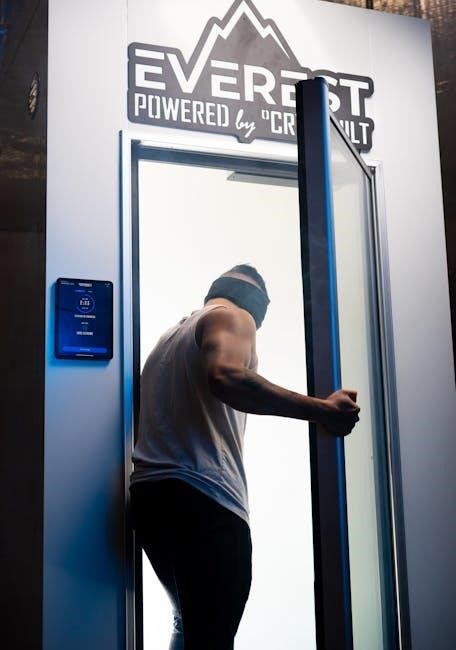
Future Directions and Research
Guiding Light Recovery’s ongoing research explores expanding treatment applications and evolving techniques‚ aiming to refine efficacy and broaden accessibility for diverse patient needs․
Ongoing Research in Guiding Light Therapy
Current investigations into Guiding Light Therapy are multifaceted‚ focusing on optimizing light parameters for enhanced therapeutic outcomes․ Researchers are actively exploring the nuanced effects of varying wavelengths and intensities on cellular processes‚ particularly concerning neurological and immunological responses․ A significant area of study involves the potential of LT to modulate the gut microbiome‚ recognizing its crucial role in mental and physical wellbeing․
Furthermore‚ clinical trials are underway to assess the efficacy of combined therapies – integrating Guiding Light Recovery with conventional treatments for conditions like depression‚ anxiety‚ and sleep disorders․ These trials employ rigorous methodologies‚ including randomized controlled designs and longitudinal data analysis‚ to establish statistically significant results․ The aim is to determine optimal treatment protocols and identify patient populations most likely to benefit from this innovative approach․ Studies also investigate LT’s impact on microsatellite unstable colorectal carcinomas‚ building upon existing research regarding immune checkpoint inhibitors․
Potential Expansion of Treatment Applications
The versatility of Guiding Light Recovery suggests a broad spectrum of future applications beyond currently established protocols․ Research indicates promising potential in neurodegenerative diseases‚ where LT may offer neuroprotective benefits and improve cognitive function․ Exploration into chronic pain management is also underway‚ leveraging LT’s ability to reduce inflammation and modulate pain pathways․
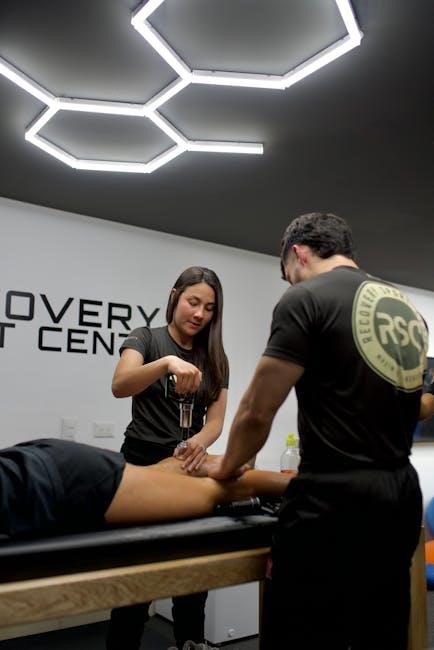
Furthermore‚ the therapy’s impact on immune function opens doors for applications in autoimmune disorders and post-surgical recovery‚ potentially accelerating healing and minimizing complications․ Tailoring Guiding Light Therapy for specific populations‚ such as athletes recovering from injury or individuals undergoing cancer treatment‚ represents a key area of expansion․ Investigating its role in preventative medicine‚ promoting overall wellness and resilience‚ is also a growing focus‚ alongside continued refinement for first responders navigating trauma․
The Evolution of Guiding Light Recovery Techniques
Guiding Light Recovery has undergone significant refinement since its inception‚ moving from foundational principles to increasingly personalized and targeted interventions․ Early techniques focused primarily on structural and soft tissue mobilization‚ but now incorporate advanced movement assessments and re-education protocols․ The integration of light therapy (LT) represents a pivotal evolution‚ enhancing therapeutic efficacy and expanding treatment possibilities․
Current advancements prioritize individualized treatment plans based on comprehensive evaluations‚ utilizing technology to precisely monitor progress and adjust interventions․ Future evolution will likely involve incorporating biofeedback mechanisms and exploring novel LT wavelengths․ Continued research aims to optimize treatment parameters‚ ensuring maximum benefit and safety‚ while also streamlining protocols for broader accessibility and integration into mainstream healthcare practices․