
Our olfactory sense powerfully connects to memories and emotions. This guide introduces the world of fragrance, helping you discover, identify, and select your ideal aroma. Enhance life’s moments and personal style with expertly chosen scents.

The Power of Olfactory Sense and Memory
Our olfactory sense is recognized as the strongest of human senses, possessing an unparalleled ability to trigger vivid memories and deep emotional responses. A single scent instantly transports us back to cherished moments, specific places, or the comforting presence of loved ones. This profound connection is more than anecdotal; scientific insights confirm fragrance profoundly affects us on a deeply emotional level. It bypasses conscious thought, directly accessing primal brain regions where memories and feelings reside. The power of smell to evoke nostalgia or specific sensations is truly remarkable. When we encounter an aroma, it doesn’t merely register as a smell; it frequently conjures a rich tapestry of associated experiences. For instance, the scent of roses or a distinct perfume might immediately recall a beloved person or a significant event. This intrinsic link between scent and memory makes fragrance incredibly personal and impactful. By choosing and wearing expertly designed scents, like those from philosophy, we enhance these experiences. Such carefully crafted aromas aim to evoke joy, stimulate positive emotions, and subtly accompany us through special occasions and everyday existence. They become inextricably linked to our personal narratives, creating new memories while reinforcing existing ones. Understanding this fundamental power is crucial for appreciating the intricate world of scent.
Differentiating Scent, Fragrance, Aroma, and Smell
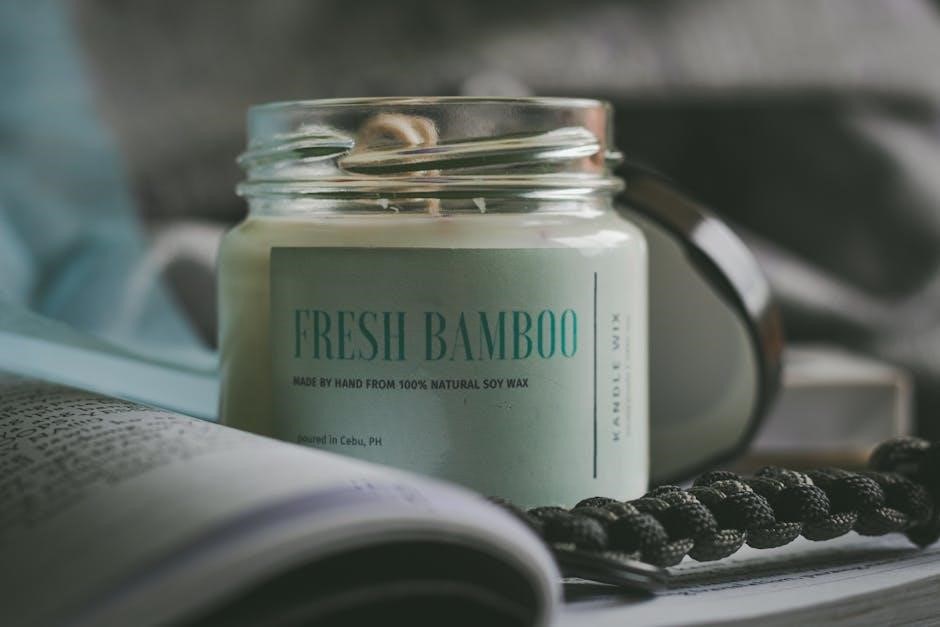
Differentiating ‘scent,’ ‘fragrance,’ ‘aroma,’ and ‘smell’ is crucial for understanding the olfactory world. Each term, though often confused, holds distinct connotations. ‘Smell’ is the broadest, neutral term for any perceived odor, pleasant or unpleasant. For instance, ‘the air was filled with the smell of flowers’ uses it generally. ‘Scent’ typically denotes a specific, often pleasant, characteristic odor of a substance or object, like ‘the scent of roses.’ It implies a unique, identifiable quality. ‘Aroma’ is reserved for pleasant, agreeable, and inviting smells, especially from food, beverages, or nature; consider the ‘aroma of freshly brewed coffee.’ ‘Fragrance’ is a more formal, elegant descriptor, frequently applied to pleasant smells from flowers, perfumes, and cosmetics. It often suggests sophistication, prevalent in the beauty industry. Recognizing these distinctions enhances our ability to accurately describe and appreciate the diverse odors.
Understanding Fragrance Families
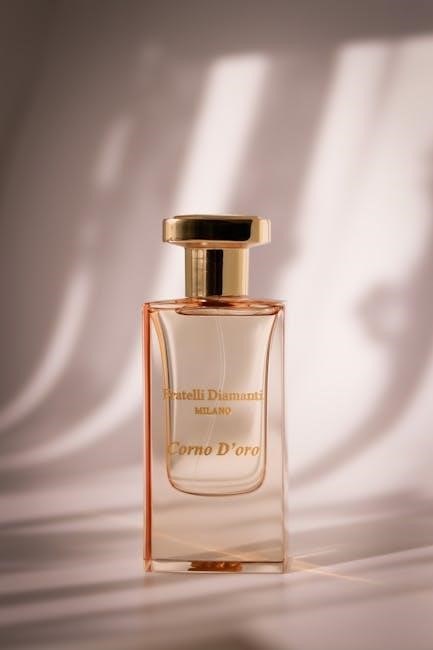
Understanding fragrance families is the first step to finding your favorite scent. These families categorize perfumes based on their dominant notes and overall character. Exploring these classifications helps identify preferences and discover new fragrances that align with your style.

Overview of Main Scent Family Types
Navigating the vast and intricate world of perfumes becomes much simpler when understanding the essential concept of fragrance families. These classifications group scents based on shared characteristics and dominant notes, helping enthusiasts and beginners alike to identify their preferences and explore new olfactive experiences with greater ease. The journey to finding your signature scent, one that truly complements your individuality, often begins with identifying which family or families resonate most with your personal style and desired mood for any occasion.
Generally, modern perfumery categorizes scents into several main types, forming the foundational pillars of countless fragrances available today. While some comprehensive systems present a detailed fragrance wheel with many intricate sub-categories, a common and accessible approach highlights four primary families: Fresh, Floral, Oriental, and Woody. Each distinct family represents a unique aromatic profile, created by specific combinations of notes that evoke different feelings and impressions. By grasping these overarching categories, consumers can more effectively narrow down their search and understand the underlying structure of their favorite perfumes. This foundational knowledge is indeed crucial for anyone looking to deepen their appreciation and selection of fragrances, acting as an invaluable compass in a seemingly endless sea of aromatic possibilities.
Fresh Fragrances: Citrus, Water, and Green Notes
Fresh fragrances are defined by their invigorating, uplifting, and vibrant characteristics, creating a sense of cleanliness and zest. This family primarily comprises citrus, water, and green notes, collectively contributing to their refreshing and lively appeal. Citrus-based scents utilize bright, zesty elements like lemon, mandarin, and bergamot, delivering an immediate, energetic burst that feels sparkling and effervescent. These notes are frequently chosen for an instant lift and a cheerful impression, making them popular for daytime wear.
Water fragrances, or aquatic scents, evoke the purity and coolness of the sea or fresh rain. They incorporate aquatic notes such as sea spray, creating an airy and expansive sensation, exemplified by perfumes like L’Eau d’Issey or Acqua di Gio, offering a crisp, transparent quality. Green fragrances capture the essence of nature’s foliage, featuring herbal and leafy undertones for a crisp, earthy, and uplifting smell. Notes like lavender, rosemary, or basil are common, sometimes categorizing them as aromatic fougère. This diversity ensures fresh fragrances offer a truly invigorating experience.

Floral Fragrances: Sweet and Flowery Scents
Floral fragrances represent one of the most popular and expansive families in perfumery, celebrated for their inherently sweet and captivating flowery aromas. This broad category encompasses any scent profile evoking the essence of blossoms, making it incredibly versatile and widely appealing. At its core, the family features exquisite notes derived from popular flowers, including the timeless elegance of roses, the intoxicating sweetness of jasmine, the delicate purity of lilies, and the lush vibrancy of peonies. These elements are often blended to create harmonious bouquets that vary significantly in character, from single floral notes to intricate multi-flower arrangements.
Ranging from light, airy compositions to profoundly complex and intensely rich formulations, these scents leave a lasting impression. Their ability to transport wearers to blossoming gardens or evoke feelings of romance and femininity ensures enduring popularity. Whether seeking a fresh, dewy morning bloom or a deep, velvety evening flower, this family provides abundant choices. It remains a cornerstone for classic and contemporary perfume creations, with intricate artistry allowing endless fragrant interpretations that appeal to diverse global tastes, cementing its universal appeal.
Oriental Fragrances: Warm, Sweet, and Spicy
Oriental fragrances stand out as a luxurious and captivating family, renowned for their distinctive blend of warmth, sweetness, and often a hint of spice. This opulent category offers a rich and sensual experience, making it a favored choice for those seeking depth and intensity in their scent. The complexity of oriental compositions allows for diverse variations, including floral oriental, which merges traditional oriental notes with blooming floral accents; soft oriental, offering a more subdued yet equally inviting warmth; and woody oriental, which grounds the sweetness with earthy, resinous undertones.
These captivating perfumes and aftershaves are typically crafted from an intriguing array of notes that contribute to their characteristic richness. Common ingredients include exotic spices like cardamom and cinnamon, which impart a vibrant, fiery kick. Sweet elements such as vanilla often provide a creamy, comforting sweetness, while resins and amber contribute a deep, balsamic warmth. Additionally, floral notes like jasmine, orchid, and orange blossom are frequently incorporated, adding layers of sophistication and an alluring complexity that balances the intensity, creating truly unforgettable and enveloping aromas that linger beautifully.
Woody Fragrances: Earthy and Captivating
Woody fragrances represent another warm and incredibly versatile family within the realm of scents, distinguished by their mysterious and captivating character. These earthy aromas are particularly cherished, often being a top choice for aftershaves, imbuing a sense of robust sophistication. The core of woody fragrances lies in their use of various wood-based smells. Key notes frequently include the strong, grounding essence of cedarwood, the creamy, warm richness of sandalwood, the smoky and deep earthiness of vetiver, and the comforting, resinous warmth of amber. These natural elements make woody scents an exceptional choice for evening wear, lending an air of refined elegance.
This evocative fragrance family is broadly categorized into two main types: mossy woods and dry woods. Mossy woods are characterized by an earthy, slightly sweet undertone, often incorporating notes that evoke damp forest floors and lush greenery, such as oakmoss. On the other hand, dry woods offer a more intense and often rugged profile, frequently featuring smoky and distinctively leathery smells. Notes like birch tar or guaiac wood contribute to this drier, more assertive character. The profound depth and lasting presence of woody fragrances ensure they leave a memorable and sophisticated impression.

Deconstructing Fragrance Notes
Understanding a fragrance involves recognizing its layered composition. Scents evolve through distinct stages, often described as top, middle (heart), and base notes. These elements combine to create the full olfactory experience, revealing the perfume’s character over time.
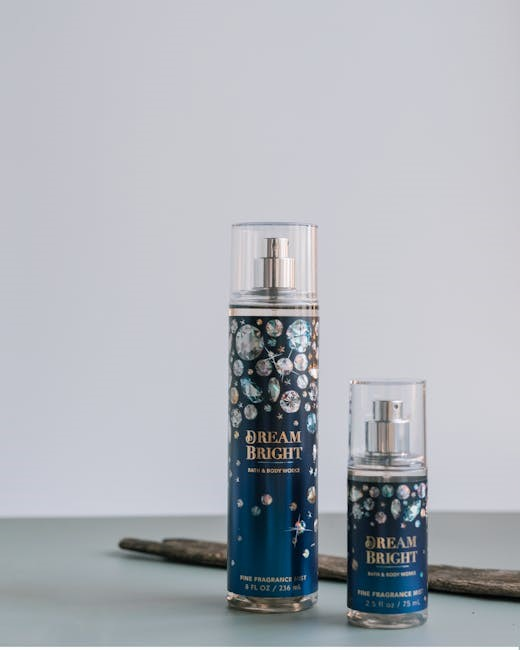
Top Notes: The Initial Impression
The top notes of a fragrance, also known as the head or opening notes, are what you smell immediately after spraying your perfume or aftershave. These ephemeral scents are the first to greet your olfactory senses, forming the initial impression of the fragrance. Composed of the most volatile and lightest molecules, top notes are designed to evaporate quickly, typically lasting only a few minutes, often between 5 to 15 minutes, before they begin to fade. Despite their brief presence, they play a crucial role in capturing attention and setting the stage for the scent’s journey. This initial burst is vital for establishing the perfume’s character and creating an inviting introduction. A well-chosen top note can immediately convey freshness, vibrancy, or intrigue, significantly influencing whether an individual is drawn to the fragrance. They are the immediate “hook” that entices the wearer and others, guiding them towards the deeper, more enduring layers of the scent that will soon emerge.
Middle (Heart) Notes: The Main Body
The middle, or heart, notes emerge once the initial top notes have dissipated, forming the core identity and main body of any fragrance. These notes are the true essence of the scent, considered its heart, and are much more profound and lasting than their fleeting predecessors. They typically become noticeable after about 15 minutes, once the top notes have fully evaporated, and can linger for several hours, often between 2 to 4 hours. Heart notes are carefully blended to be well-rounded, creating a harmonious and balanced experience. They serve as a transition between the initial impression and the lasting depth, making them crucial for the overall character and appeal of the perfume or aftershave. Often composed of floral, spicy, or green notes, they create the complex bouquet that defines the fragrance. These central notes work in conjunction with the base notes, which will eventually appear, to develop the full, evolving narrative of the scent. Without a robust and engaging heart, a fragrance can lack depth and appeal, making this stage vital for its enduring charm and sophistication. They represent the soul of composition.
Base Notes: The Longest Lasting Scent
Base notes represent the deepest and most enduring layer of any fragrance, providing its lasting power and final impression. These are the scents that linger on the skin for the longest duration, often detectable for many hours, sometimes even a full day, and are typically what you remember most about a perfume or aftershave. Unlike the fleeting top notes or the transitioning middle notes, base notes are composed of heavier molecules that evaporate slowly, anchoring the entire scent composition.
They serve as the foundation, blending seamlessly with the middle notes as they fade, creating a rich, full-bodied, and evolving aromatic experience. Common ingredients for base notes include luxurious woody elements such as cedarwood, sandalwood, and vetiver, which impart an earthy, mysterious, and captivating quality. Resins like amber and frankincense, along with sweet notes like vanilla and tonka bean, contribute warmth, sweetness, and sensual depth. Musks also frequently feature, adding a soft, animalic, and long-lasting subtlety. The careful selection and combination of these robust ingredients ensure a fragrance possesses significant longevity and a memorable, sophisticated trail, making the base notes indispensable to a perfume’s character and enduring appeal.

Guide to Fragrance Strengths and Longevity
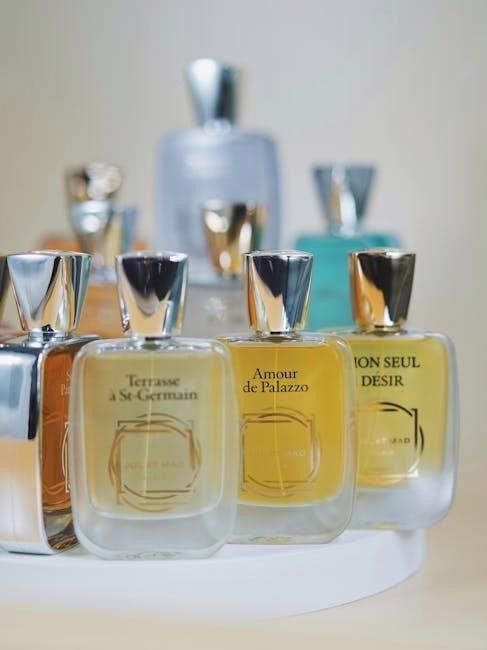
Understanding fragrance strengths is crucial for choosing your perfect scent. Different types, like Eau de Parfum and Eau de Toilette, denote varying concentrations of perfume oil. This directly impacts their intensity and how long the fragrance will last on your skin.
Understanding Eau de Parfum, Eau de Toilette, and More
The terms Eau de Parfum (EDP), Eau de Toilette (EDT), and others denote a fragrance’s strength and longevity. These classifications depend on the concentration of perfume oil mixed with alcohol; more oil means a stronger, longer-lasting scent, crucial for selection.
Eau de Parfum (EDP), with 10-20% perfume oil, is a strong, popular choice lasting around eight hours. Eau de Toilette (EDT) contains 5-15% oil, offering a quick burst before fading, typically lasting four to seven hours, making a great first impression.
Eau de Cologne is lighter, having 2-4% perfume oil, usually lasting two to three hours, often used as a body splash. The lightest, Eau Fraiche, contains only 1-2% perfume oil. Incredibly subtle, it lasts merely a couple of hours, perfect for a delicate, non-heavy scent. Choosing strength ensures your fragrance aligns with desired impact and longevity.