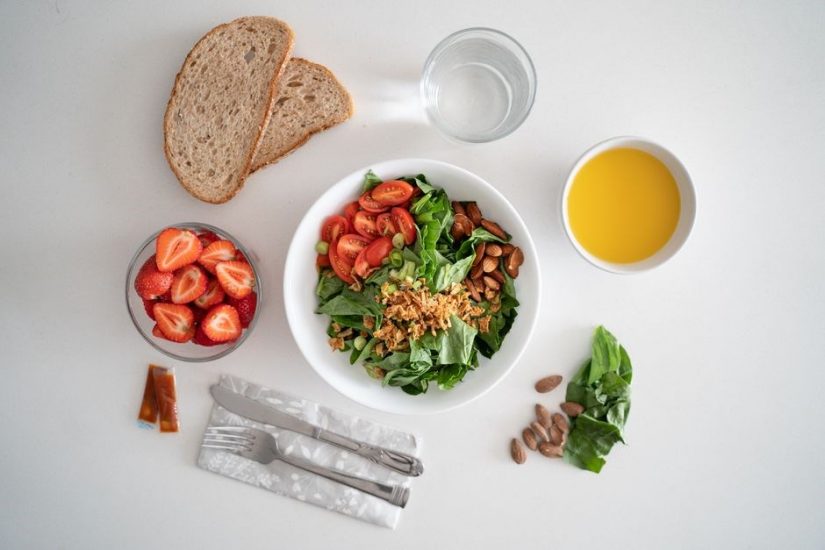
Discover a ready‑made 7‑day alkaline meal plan PDF that offers balanced‚ plant‑based meals designed to reduce inflammation and support acid‑base harmony. It includes breakfast‚ lunch‚ dinner‚ and snacks with calorie details‚ shopping lists‚ and easy‚ healthy eating. Start today for balanced living now!!
Benefits of an Alkaline Diet
Adopting an alkaline‑centric menu can shift the body’s pH toward a more neutral state‚ easing metabolic strain and reducing chronic inflammation. Studies show that a diet rich in leafy greens‚ cruciferous vegetables‚ nuts‚ seeds‚ and whole grains can lower markers of oxidative stress and improve cardiovascular markers such as blood pressure and cholesterol profiles. By limiting acidic foods—processed meats‚ refined sugars‚ and dairy—individuals often experience clearer skin‚ steadier energy levels‚ and better digestive comfort. The 7‑day PDF plan offers a structured approach‚ providing calorie‑balanced meals‚ portion guidance‚ and a printable shopping list that streamlines grocery shopping. This format encourages consistency‚ helping users build sustainable habits that support long‑term health‚ weight management‚ and enhanced mental clarity. The plan’s emphasis on nutrient density also ensures adequate intake of vitamins‚ minerals‚ and antioxidants‚ fostering resilience against common ailments and promoting overall vitality. Participants report improved sleep quality and reduced joint stiffness‚ attributing these benefits to the high fiber content and lower acid load of the meals. The PDF includes portion charts‚ macro trackers‚ and a customizable grocery list to keep you on track and motivated throughout the week. With its user‑friendly layout‚ the plan encourages mindful eating habits‚ helping you savor flavors while staying within a balanced pH range for optimal health. Download the PDF today and start your journey toward a calmer‚ more vibrant life‚ one alkaline meal at a time. Enjoy the benefits! daily‚ now!!.
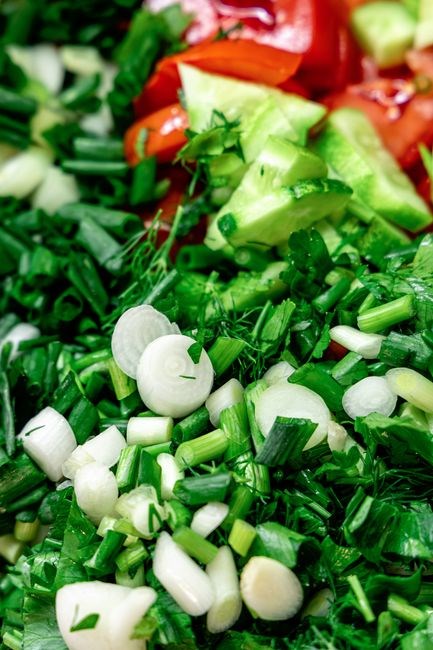
How to Use the PDF Meal Plan
Once you download the 7‑day alkaline meal plan PDF‚ follow these steps to maximize its impact. First‚ open the file with a PDF reader that supports annotations. The document is organized by day‚ with each section listing breakfast‚ lunch‚ dinner‚ and snack options‚ complete with calorie counts and macro breakdowns. Use the built‑in printable shopping list to gather ingredients before you start cooking. For each meal‚ note the suggested portion sizes and adjust them if you have higher or lower energy needs; the PDF includes a simple portion chart for quick reference. If you prefer a more interactive approach‚ print the meal planner sheet and write down your actual servings‚ then compare them to the recommended amounts. This helps you stay accountable and fine‑tune the plan to your taste. The PDF also contains a “quick‑start guide” that explains how to balance your plate with the 80/20 rule—80% vegetables and fruits‚ 20% whole grains or legumes—ensuring you stay within alkaline‑friendly limits. When cooking‚ use the recipe cards provided; they include step‑by‑step instructions‚ cooking times‚ and suggested substitutions for common allergens. If you want to track progress‚ the PDF offers a simple mood and energy log that you can fill out daily. At the end of the week‚ review your entries to see how the plan affected your sleep‚ digestion‚ and overall well‑being. Finally‚ use adjustments to swap foods! By following these steps‚ you’ll be able to implement the 7‑day plan smoothly‚ maintain consistency‚ and experience the health benefits of an alkaline diet.
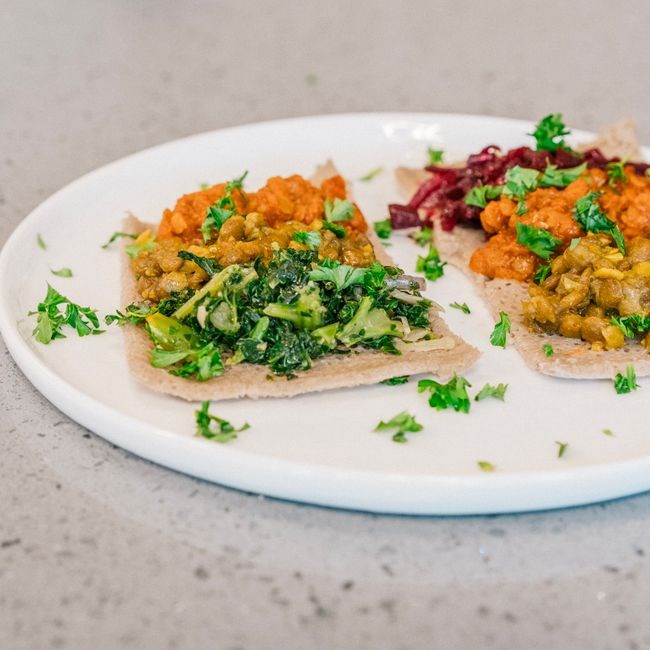
Sample 7-Day Alkaline Meal Plan Overview
This PDF outlines a balanced weekly menu featuring plant‑based breakfasts‚ lunches‚ dinners‚ and snacks‚ each with calorie and macro info. It includes a printable shopping list‚ portion guidance‚ and a quick‑start guide for easy implementation. Enjoy and go!.
Day 1: Breakfast‚ Lunch‚ Dinner‚ & Snacks
Start the week with a nutrient‑dense‚ alkaline‑friendly menu that balances flavor and pH. The breakfast is a vibrant green smoothie featuring spinach‚ cucumber‚ celery‚ green apple‚ lemon‚ and a scoop of plant‑based protein powder. It delivers antioxidants‚ electrolytes‚ and a gentle energy boost.
For lunch‚ enjoy a quinoa and roasted vegetable bowl topped with avocado‚ pumpkin seeds‚ and a drizzle of tahini‑lime dressing. The quinoa provides complete protein while the veggies keep the dish alkaline and fiber‑rich.
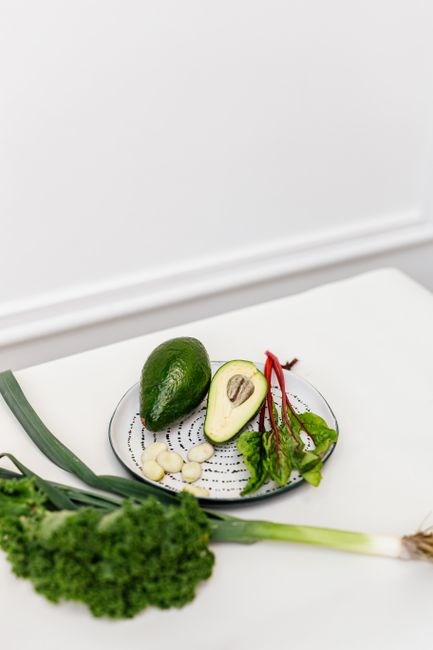
Dinner is a hearty lentil and kale stew simmered with garlic‚ onion‚ carrot‚ and a splash of apple cider vinegar. Serve it over steamed cauliflower rice for a low‑calorie‚ alkaline‑friendly plate that satisfies without acidity.
Snack options include sliced cucumber with hummus‚ a handful of almonds‚ and a small bowl of mixed berries. Each snack is chosen for its low acid load and high nutrient density‚ keeping the body balanced throughout the day.
Enjoy this first day’s balanced menu‚ and feel the difference as your body shifts toward a more alkaline state. The smoothie’s green power fuels early activity‚ while the quinoa bowl offers sustained protein and fiber. The lentil stew’s earthy flavors and the snack’s nutrient density keep cravings at bay‚ supporting overall vitality and a smooth transition into the week’s plant‑based plan.
Remember to hydrate with water or herbal tea‚ and pair meals with gentle movement for opt. results.!
Day 2: Breakfast‚ Lunch‚ Dinner‚ & Snacks
Start the day with a bright citrus‑oatmeal bowl. Cook ½ cup rolled oats in 1 cup unsweetened almond milk until creamy. Fold in a handful of fresh orange segments‚ 1 tablespoon chopped walnuts‚ 1 teaspoon chia seeds‚ and a pinch of cinnamon. The citrus adds alkalizing vitamin C‚ while the oats provide soluble fiber that supports gentle digestion and a steady energy release.
Lunch features a Mediterranean chickpea salad that balances protein‚ healthy fats‚ and alkalizing greens. Toss 1 cup rinsed chickpeas with diced cucumber‚ halved cherry tomatoes‚ thinly sliced red onion‚ a few kalamata olives‚ and a handful of chopped fresh parsley. Dress with 1 tablespoon extra‑virgin olive oil‚ the juice of half a lemon‚ and a pinch of sea salt. The chickpeas deliver plant protein‚ the olive oil supplies monounsaturated fats‚ and the vegetables keep the dish low in acid‑producing foods.
For dinner‚ enjoy a tofu stir‑fry that showcases a rainbow of vegetables. Sauté 200 g firm tofu cubes in 1 teaspoon coconut oil until golden. Add 1 cup broccoli florets‚ ½ cup sliced bell pepper‚ ½ cup snow peas‚ and ½ cup sliced shiitake mushrooms. Stir in 1 tablespoon tamari‚ 1 teaspoon grated ginger‚ and a splash of lime. Finish with 1 cup cauliflower rice for a low‑carb‚ alkaline‑friendly base.
Snack options keep the pH balance steady. Enjoy a small bowl of mixed berries (strawberries‚ blueberries‚ raspberries)‚ a handful of raw almonds‚ and cucumber ribbons with a homemade tahini dip (tahini‚ lemon juice‚ garlic‚ water). These snacks are low in acid load‚ high in antioxidants‚ and provide sustained energy without disrupting the body’s pH
Day 3: Breakfast‚ Lunch‚ Dinner‚ & Snacks
Breakfast: Start with a green smoothie that balances electrolytes and alkalinity. Blend 1 cup spinach‚ ½ frozen banana‚ ½ cup frozen mango‚ 1 tablespoon hemp seeds‚ 1 tablespoon ground flaxseed‚ 1 cup coconut water‚ and a squeeze of fresh lime. The spinach and coconut water provide potassium‚ magnesium‚ and a mild alkaline base‚ while the seeds add omega‑3s and fiber.
Lunch: A quinoa & avocado bowl that delivers protein‚ healthy fats‚ and alkalizing veggies. Cook ½ cup quinoa in vegetable broth. Top with sliced avocado‚ 1 cup roasted sweet potato cubes‚ ½ cup black beans‚ ¼ cup diced red bell pepper‚ and a handful of chopped cilantro. Dress with 1 tablespoon extra‑virgin olive oil‚ 1 tablespoon apple cider vinegar‚ and a pinch of sea salt. The quinoa offers complete plant protein‚ while the sweet potato adds complex carbs.
Dinner: Baked salmon with lemon‑herb quinoa and steamed asparagus. Season a 4‑oz salmon fillet with lemon zest‚ dill‚ and pepper. Bake at 375°F for 12–15 minutes. Serve over ½ cup cooked quinoa mixed with 1 tablespoon chopped parsley and 1 teaspoon lemon juice. Pair with 1 cup steamed asparagus tossed in 1 teaspoon olive oil. Salmon supplies omega‑3 fatty acids‚ and the asparagus is a low‑acid‚ high‑fiber vegetable.
Snacks: Keep the pH steady with a handful of raw almonds‚ a sliced apple with almond butter‚ and carrot sticks with a tahini‑lemon dip. These snacks are low in acid load‚ high in antioxidants‚ and provide sustained energy without disrupting the body’s pH balance. Enjoy mindful chewing.
Day 4: Breakfast‚ Lunch‚ Dinner‚ & Snacks
Breakfast: A hearty chia pudding made with almond milk‚ chia seeds‚ and a splash of vanilla extract. Top with fresh berries‚ sliced kiwi‚ and a drizzle of maple syrup. This mix supplies calcium‚ fiber‚ and antioxidants while keeping the meal alkaline.
Lunch: A vibrant Mediterranean bowl featuring roasted chickpeas‚ quinoa‚ diced cucumber‚ cherry tomatoes‚ olives‚ and a lemon‑yogurt dressing. The chickpeas add plant protein‚ quinoa provides complete protein‚ and the veggies keep the dish low‑acid.
Dinner: Grilled tofu marinated in tamari‚ ginger‚ and garlic‚ served with sautéed bok choy‚ sliced bell pepper‚ and a side of brown rice. The tofu offers iron and calcium‚ while bok choy and bell pepper boost vitamin C and potassium.
Snacks: Keep the pH balanced with a handful of raw walnuts‚ a sliced pear‚ and cucumber sticks with hummus. These snacks are low‑acid and high in healthy fats‚ fiber‚ and electrolytes.
Mindful Eating: Pause between bites‚ chew slowly‚ and savor flavors. This practice reduces stress and improves nutrient absorption‚ keeping the body’s pH balanced.
Meal Timing: Aim to eat within a 6‑hour window each day‚ allowing the body to reset its pH levels overnight. Consistency helps maintain a stable alkaline environment.
Remember to listen to your body’s cues; if you feel bloated‚ swap a high‑acid fruit for leafy greens to maintain balance and refreshed!.
Day 5: Breakfast‚ Lunch‚ Dinner‚ & Snacks
Breakfast: Start the day with a green smoothie made from spinach‚ frozen mango‚ coconut water‚ and a scoop of plant‑based protein powder. Blend until silky‚ then pour into a glass‚ then garnish with a sprinkle of chia seeds for added omega‑3s and fiber.
Lunch: Assemble a nutrient‑dense salad with mixed greens‚ roasted sweet potato cubes‚ sliced avocado‚ shredded carrots‚ and a handful of pumpkin seeds. Dress with a light vinaigrette of olive oil‚ apple cider vinegar‚ and fresh lemon juice for a tangy‚ alkaline boost.
Dinner: Sauté sliced zucchini‚ bell pepper‚ and onion in a splash of sesame oil‚ then add marinated tempeh and a drizzle of tamari sauce. Serve over a bed of cauliflower rice‚ finished with a sprinkle of chopped scallions and a squeeze of lime for brightness.
Snacks: Keep energy steady with a small bowl of sliced cucumber and cherry tomatoes‚ a handful of almonds‚ and a piece of fresh pineapple. These snacks are low‑acid‚ high in vitamins‚ and help maintain a stable pH throughout the day.
Hydration: Aim for 2–3 liters of water daily‚ infusing with cucumber slices or mint leaves for flavor. Adequate hydration supports the body’s natural alkaline processes and aids digestion.
Mindful Practices: Incorporate a short breathing exercise before meals to reduce stress and promote better digestion. This simple routine helps keep the body’s pH balanced and supports overall wellness.
Enjoy flavors‚ feel alkaline harmony daily today now
Day 6: Breakfast‚ Lunch‚ Dinner‚ & Snacks
Breakfast: Kick off with a vibrant chia pudding made from almond milk‚ chia seeds‚ a dash of vanilla‚ and topped with sliced kiwi and a sprinkle of hemp seeds. Let it sit overnight for a creamy‚ alkaline‑friendly start.

Lunch: Create a hearty bowl of quinoa‚ steamed broccoli‚ diced bell pepper‚ and roasted chickpeas. Drizzle with tahini‑lemon dressing and finish with fresh parsley for a burst of flavor and alkalinity.
Dinner: Sauté tofu cubes with garlic‚ ginger‚ and a mix of sliced carrots‚ snow peas‚ and bamboo shoots. Add a splash of low‑sodium soy sauce‚ serve over cauliflower rice‚ and garnish with toasted sesame seeds.
Snacks: Keep the day lively with a crisp apple paired with almond butter‚ a handful of raw cashews‚ and a small cup of carrot sticks dipped in hummus. These snacks provide sustained energy without acid spikes.
Hydration: Aim for 2.5 liters of water‚ infusing with lemon wedges or cucumber slices for a refreshing twist. Proper hydration supports the body’s natural pH balance and aids in detoxification.
Mindful Eating: Pause before each bite‚ breathe deeply‚ and savor the textures. This mindful practice enhances digestion and helps maintain a balanced internal environment.
Enjoy the alkaline rhythm‚ feel refreshed‚ and embrace vitality daily.
Track each meal‚ note how you feel‚ and adjust portions to stay aligned with your health goals. Stay hydrated‚ stay mindful‚ and enjoy the journey toward a balanced body!!!
Day 7: Breakfast‚ Lunch‚ Dinner‚ & Snacks
Breakfast: Start with a warm bowl of steel‑cut oats cooked in coconut milk‚ sweetened with a touch of maple syrup‚ and topped with fresh blueberries‚ sliced almonds‚ and a sprinkle of cinnamon. This combination keeps the pH balanced while providing sustained energy.
Lunch: Assemble a vibrant salad featuring mixed greens‚ shredded cabbage‚ grated carrot‚ diced cucumber‚ and avocado slices. Toss with a dressing of olive oil‚ apple cider vinegar‚ and a pinch of sea salt. Add a handful of roasted pumpkin seeds for crunch.
Dinner: Prepare a comforting stir‑fry of tempeh‚ snow peas‚ bell pepper‚ and sliced shiitake mushrooms. Sauté in a splash of tamari sauce‚ fresh ginger‚ and garlic. Serve over a bed of cauliflower rice‚ garnished with chopped scallions.
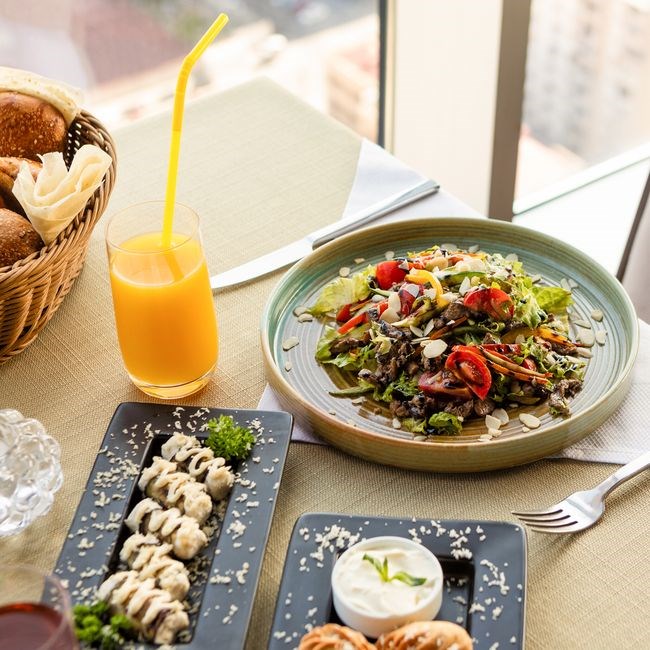
Snacks: Keep the day energized with a crisp pear‚ a small handful of raw walnuts‚ and a cup of cucumber sticks with a tahini dip. These snacks are low‑acid and rich in healthy fats‚ supporting overall alkalinity.
Hydration: Drink 2.5 liters of water throughout the day‚ infusing with lemon slices or a few mint leaves for flavor. Adequate hydration helps maintain the body’s natural pH balance.
Mindful Eating: Practice mindful eating by taking small bites‚ chewing thoroughly‚ and savoring each flavor. This promotes better digestion and keeps the body in a harmonious state.
Track your intake‚ note how you feel‚ and adjust portions if needed. Stay hydrated‚ stay mindful‚ and enjoy the benefits of a balanced‚ alkaline lifestyle. today
Key Ingredients & Food List
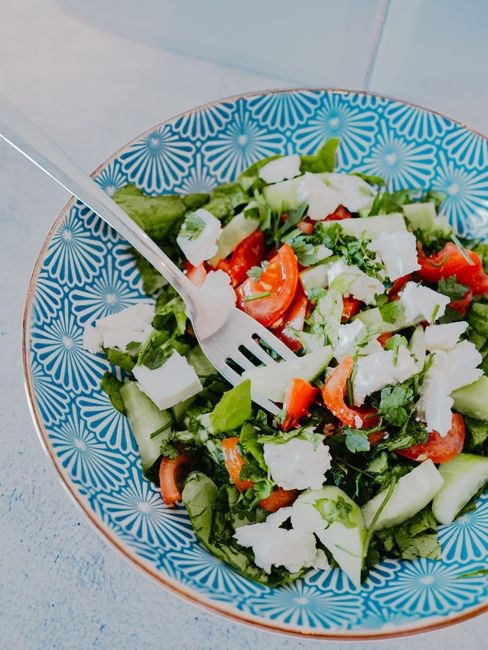
Below is a curated list of alkaline‑friendly foods that form the backbone of the 7‑day meal plan. These items are chosen for high pH‚ nutrient density‚ and anti‑inflammatory support. Use them as staples‚ add variety‚ and pair with herbs‚ spices‚ and healthy fats for balanced flavor.
- Leafy greens: spinach‚ kale‚ arugula
- Cruciferous vegetables: broccoli‚ cauliflower‚ Brussels sprouts‚ cabbage
- Root and tuber vegetables: sweet potatoes‚ carrots‚ beets
- Fruits: berries (blueberries‚ strawberries‚ raspberries)‚ citrus (lemons‚ limes‚ oranges)‚ melons‚ apples‚ pears‚ kiwi‚ mango
- Legumes & pulses: lentils‚ chickpeas‚ black beans‚ kidney beans‚ split peas
- Whole grains: quinoa‚ amaranth‚ millet‚ buckwheat‚ barley‚ oats
- Nuts & seeds: almonds‚ walnuts‚ cashews‚ pumpkin seeds‚ sunflower seeds‚ chia seeds‚ hemp seeds
- Healthy oils & fats: extra‑virgin olive oil‚ avocado oil‚ coconut oil‚ ghee
- Herbs & spices: parsley‚ cilantro‚ basil‚ dill‚ thyme‚ rosemary‚ turmeric‚ ginger‚ garlic‚ cinnamon
- Fermented foods: sauerkraut‚ kimchi‚ kombucha‚ yogurt
- Miscellaneous: seaweed‚ kelp‚ spirulina‚ cacao nibs‚ dark chocolate‚ maple syrup‚ dates‚ raisins
When shopping‚ prioritize organic produce when possible. Store leafy greens in a cool‚ humid environment to preserve freshness‚ and keep nuts and seeds in airtight containers to maintain flavor. This list serves as a flexible foundation—feel free to rotate items weekly to keep meals exciting while staying true to alkaline principles.
Shopping & Meal Prep Tips
Plan your grocery list by grouping items into categories: produce‚ grains‚ legumes‚ nuts‚ oils‚ and spices. Buy seasonal produce for better flavor and lower cost.
When shopping‚ choose organic for leafy greens and root vegetables to reduce pesticide residue. Keep a small freezer for frozen berries and peas; they retain nutrients and simplify smoothies or stir‑fries.
Meal prep strategy: Cook grains in bulk and portion into airtight containers. Sauté a large batch of mixed vegetables and store them in the fridge for quick salads or side dishes. Pre‑wash and chop leafy greens in a salad spinner; keep them in a sealed bag to stay crisp.
Use a slow cooker or Instant Pot for legumes: rinse‚ then cook with herbs for depth of flavor. Portion cooked beans into zip‑lock bags and freeze for later use. Make a batch of homemade pesto or tahini to drizzle over meals.
Keep a spice rack organized by frequency of use. Label jars with dates to track freshness. Rotate spices weekly to keep meals exciting. Add a splash of lemon juice for extra brightness! Include a handful of nuts for protein fats! Use herbs to enhance flavor!OK
Hydration is key: carry a reusable water bottle and infuse with cucumber‚ mint‚ or lemon slices. Track water intake with a simple app or a journal. Aim for 8–10 cups daily to support detoxification and optimal digestion.
Finally‚ schedule a weekly review: assess what worked‚ what didn’t‚ and adjust portions or recipes accordingly. This continuous loop of planning‚ cooking‚ and reflecting ensures the alkaline plan stays sustainable and enjoyable.
Tracking Progress & Adjustments
Track your daily intake by logging meals‚ snacks‚ and beverages in a notebook or a mobile app. Note the pH level of foods—green leafy vegetables and fruits score high‚ while processed items score low. This visual cue helps you stay on track.
Use a simple spreadsheet or a dedicated app to record weight‚ energy levels‚ and mood each day. Compare these metrics with your meal logs to identify patterns—perhaps a particular snack spikes acidity or a certain fruit boosts energy. Adjust portions or swap foods accordingly.
Set weekly goals such as reducing sodium intake by 10% or increasing fruit servings by two portions. Celebrate milestones with non‑food rewards like a new plant or a favorite playlist. If you notice persistent fatigue or digestive discomfort‚ consider consulting a nutritionist to refine the plan.
Keep a visual progress chart on your fridge or digital board. Mark each day you complete the plan with a sticker or a checkmark. Over time‚ the cumulative pattern will reveal your consistency and help you stay motivated. Adjust your schedule if you find certain meals too time‑consuming or if you need more variety.
Finally‚ schedule a weekly review session to reflect on your journey. Use a journal or a voice note to capture insights‚ challenges‚ and successes. This habit reinforces accountability and keeps the alkaline mindset fresh.
Remember‚ consistency is key—small daily choices accumulate into lasting health benefits.
Stay hydrated!!!.