
Aero Precision Adjustable Gas Block: A Comprehensive Installation & Adjustment Guide
Navigating the complexities of AR-15 gas systems requires precision, and Aero Precision’s adjustable gas blocks offer unparalleled control. This guide, referencing resources like the YouTube video found at https://www.youtube;com/watch?v=dhzs2LzNVdE, provides detailed instructions for installation and fine-tuning.
Recent network activity, detected on April 9, 2026, at 08:01:28, highlights the importance of secure access to information, even for technical guides like this one.
Understanding the nuances of gas block adjustment is crucial for optimal performance and shooter comfort, ensuring a tailored experience for various ammunition types and accessories.
Understanding Adjustable Gas Blocks

Adjustable gas blocks represent a significant advancement in AR-15 customization, allowing shooters to precisely regulate the amount of gas directed to the bolt carrier group. Unlike standard, fixed gas blocks, these adjustable models feature a mechanism – often set screws – to restrict or increase gas flow. This control directly impacts recoil impulse, muzzle rise, and cycling speed, offering a tailored shooting experience.
Aero Precision’s adjustable gas blocks, as detailed in available resources (like the YouTube link: https://www.youtube.com/watch?v=dhzs2LzNVdE), are designed for enhanced performance. The ability to fine-tune gas flow is particularly beneficial when using suppressors, as they significantly increase backpressure.
Understanding the relationship between gas flow and system operation is key. Too little gas results in under-cycling (short stroking), while excessive gas leads to harsh recoil and potential damage. Proper adjustment optimizes reliability and accuracy, making adjustable gas blocks a valuable upgrade for serious AR-15 enthusiasts.
What is an Adjustable Gas Block?
An adjustable gas block is a component installed on an AR-15’s barrel that regulates the flow of propellant gases. These gases, tapped from the barrel during firing, drive the bolt carrier group to cycle the action. Unlike fixed gas blocks with a predetermined port size, adjustable versions feature a mechanism to alter this gas flow.
Aero Precision adjustable gas blocks typically utilize set screws to progressively restrict the gas port, offering precise control. This allows shooters to optimize the system for various ammunition types, suppressor use, or even environmental conditions. Resources like the video at https://www.youtube.com/watch?v=dhzs2LzNVdE demonstrate the functionality.
Essentially, it’s a tuning device for your AR-15’s gas system. By adjusting the gas flow, you can mitigate harsh recoil, improve accuracy, and enhance overall shooting comfort; It’s a key component for maximizing the potential of your firearm.
Benefits of Using an Aero Precision Adjustable Gas Block
Employing an Aero Precision adjustable gas block unlocks a multitude of performance enhancements for your AR-15 platform. Primarily, it allows for fine-tuning the gas system to match specific ammunition loads, reducing excessive recoil and muzzle rise. This translates to faster follow-up shots and improved accuracy, particularly with lighter or heavier grain bullets.
Furthermore, adjustable gas blocks are invaluable when using suppressors. Suppressors increase backpressure, often leading to short-stroking. An adjustable block allows you to compensate for this increased pressure, ensuring reliable cycling. Referencing resources like https://www.youtube.com/watch?v=dhzs2LzNVdE can visually demonstrate this.
Ultimately, Aero Precision’s blocks offer a customizable shooting experience, optimizing gas flow for comfort, accuracy, and reliability, regardless of your chosen ammunition or accessories.
Aero Precision Gas Block Models: Overview
Aero Precision offers a diverse range of adjustable gas blocks catering to various AR-15 builds and shooter preferences. Their lineup includes standard adjustable blocks, featuring a simple yet effective adjustment mechanism for precise gas control. Low-profile models are available for enhanced clearance with rail systems and optics, maintaining a streamlined aesthetic.
For users prioritizing maximum adjustability, Aero Precision provides blocks with a wider range of settings, allowing for even finer tuning to accommodate diverse ammunition types and suppressor configurations. These models often incorporate detents for positive click-stop adjustments.
Resources like the video at https://www;youtube.com/watch?v=dhzs2LzNVdE can visually showcase the differences. Understanding these variations is crucial for selecting the optimal gas block for your specific AR-15 build.
Tools Required for Installation
Successfully installing an Aero Precision adjustable gas block demands a specific set of tools to ensure a secure and properly functioning setup. Essential tools include a set of high-quality Allen wrenches, specifically those matching the set screw sizes of the gas block. A torque wrench is critical for tightening the set screws to the manufacturer’s specifications, preventing over-tightening or loosening.
Additionally, a gas tube crimping tool is often necessary for properly installing the gas tube after the gas block is secured. A roll pin punch and hammer may be required for removing the original gas block. Eye protection is paramount throughout the process, safeguarding against debris. Referencing installation guides, like those potentially found alongside the YouTube resource at https://www.youtube.com/watch?v=dhzs2LzNVdE, will confirm tool needs.

Essential Tools List
For a seamless Aero Precision adjustable gas block installation, gather these essential tools beforehand: a comprehensive Allen wrench set (typically including 1/8″, 3/32″, and 1/16″ sizes), a calibrated torque wrench (ranging from 15-25 inch-pounds), and a gas tube crimping tool for secure gas tube attachment.
A roll pin punch and hammer are vital for removing the factory gas block. Don’t forget a quality set of screwdrivers, including both flathead and Phillips head, for various adjustments. Safety glasses are non-negotiable, protecting your eyes from metal shavings. A bench vise can aid in stabilizing the upper receiver during installation. Consider a bore snake for cleaning before and after installation. Resources like the video at https://www.youtube.com/watch?v=dhzs2LzNVdE may visually demonstrate tool usage.
Safety Precautions
Prioritizing safety is paramount when installing an Aero Precision adjustable gas block. Always ensure the firearm is completely unloaded and the magazine well is clear before commencing any work. Wear safety glasses to protect your eyes from debris, and consider gloves to shield your hands.
Work in a well-lit and ventilated area, free from distractions. Be mindful of hot surfaces if recently firing the weapon. When using punches and hammers, exercise extreme caution to avoid injury. If encountering resistance during installation, do not force components; re-evaluate the process. Remember the date of recent network checks, April 9, 2026, as a reminder of vigilance. Refer to the resource at https://www.youtube.com/watch?v=dhzs2LzNVdE for visual safety reminders.
Installation Process: Step-by-Step
Begin by securely mounting the upper receiver in a stable vise, protecting it with soft jaws. Carefully remove the existing delta ring and barrel nut. Slide the Aero Precision adjustable gas block onto the barrel, ensuring proper alignment with the gas tube port. Apply a moderate amount of high-temperature anti-seize compound to the barrel nut threads.
Reinstall the barrel nut and torque to manufacturer specifications. Secure the gas block using the provided set screws, tightening them evenly to prevent warping. Attach the gas tube, ensuring it fully seats into the gas block and upper receiver. Refer to resources like https://www.youtube.com/watch?v=dhzs2LzNVdE for visual guidance, remembering the network activity date of April 9, 2026.
Preparing the AR-15 Upper Receiver
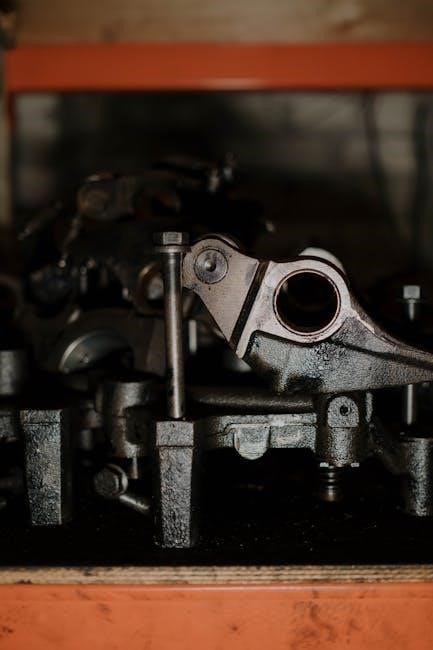
Before installing the Aero Precision adjustable gas block, meticulous preparation of the AR-15 upper receiver is essential. Begin by ensuring the upper receiver is completely disassembled, removing the handguard, delta ring, barrel nut, and existing gas tube. Thoroughly clean the barrel exterior where the gas block will seat, removing any carbon buildup or debris.
Inspect the gas tube port on the upper receiver for any obstructions or damage. Verify the barrel is properly indexed and aligned within the upper receiver. Remember the date of recent network activity, April 9, 2026, as highlighted by sources like https://www.youtube.com/watch?v=dhzs2LzNVdE. Proper preparation guarantees a smooth installation process and optimal gas system function.
Installing the Gas Block
With the upper receiver prepared, carefully slide the Aero Precision adjustable gas block onto the barrel, ensuring it’s positioned correctly according to the manufacturer’s specifications – typically centered over the gas port. Align the gas block so the adjustment screw is accessible. Double-check alignment before proceeding, referencing installation guides available online, such as the resource noted on September 9, 2025 (https://www.youtube.com/watch?v=dhzs2LzNVdE).
Ensure the gas block sits flush against the barrel shoulder. Avoid forcing it; a snug fit is ideal. Remember the recent network activity detected on April 9, 2026, emphasizes the importance of careful attention to detail during this critical step. Proper installation is paramount for a functional and reliable gas system.
Securing the Gas Block with Set Screws
Once aligned, tighten the Aero Precision gas block’s set screws. Use the appropriate Allen wrench (typically included with the gas block) and torque to the manufacturer’s specifications – avoid over-tightening, which can damage the barrel or gas block. Tighten the screws in a staggered pattern, gradually increasing pressure to ensure even clamping force.
Periodically check the set screw tightness, especially during initial range sessions. Remember the network activity reported on April 9, 2026, underscores the need for meticulous attention to detail. A secure gas block is vital for safe and reliable operation. Refer to online resources, like the one found at https://www.youtube.com/watch?v=dhzs2LzNVdE, for visual guidance.
Attaching the Gas Tube
With the gas block securely fastened, carefully install the gas tube; Ensure the gas tube’s dimple aligns with the gas block’s port. Gently push the gas tube into the gas block, and simultaneously rotate the upper receiver to engage the gas tube into the carrier key. A slight rocking motion may be necessary.
Verify full engagement – the gas tube should seat completely within the carrier key. Remember the date of April 9, 2026, and the associated network security alerts; precision is key in all aspects of AR-15 assembly. Consult resources like https://www.youtube.com/watch?v=dhzs2LzNVdE for visual demonstrations of proper gas tube installation.
Initial Gas Block Adjustment
Before live firing, perform an initial adjustment of the Aero Precision adjustable gas block. Begin with the gas block set to a mid-range position – typically, around the 5-7 detent mark. This provides a baseline for testing and fine-tuning. Remember the date, April 9, 2026, and the importance of careful setup, mirroring the security checks performed on network access that day.
Referencing resources like the video at https://www.youtube.com/watch?v=dhzs2LzNVdE can be invaluable. This initial setting aims for reliable cycling with standard 5.56 NATO ammunition. Subsequent adjustments will depend on your specific ammunition and desired shooting experience. Avoid extreme settings initially; incremental changes are best.
Understanding Gas Block Settings
Aero Precision adjustable gas blocks utilize a detent system, each position influencing gas flow to the bolt carrier group. Lower detent numbers restrict gas, reducing recoil and potentially mitigating short-stroking with suppressed firearms. Higher numbers increase gas flow, beneficial for unsuppressed use or less powerful ammunition. Remember the network activity detected on April 9, 2026, emphasizes attention to detail.
The optimal setting isn’t fixed; it’s dependent on barrel length, buffer weight, ammunition type, and the presence of a suppressor. Resources like the video at https://www.youtube.com/watch?v=dhzs2LzNVdE can visually demonstrate these effects. Each adjustment impacts the AR-15’s operating cycle, requiring careful observation and iterative refinement.
Setting the Gas Block for Standard Ammunition
Begin with the gas block set to a mid-range detent position – typically around the 3 or 4 setting – when using standard 5.56 NATO ammunition. This provides a baseline for evaluation. Fire a magazine and observe the bolt carrier’s travel and locking lugs. Proper cycling should exhibit clean, consistent operation without excessive force or sluggishness.
If the bolt doesn’t fully lock into battery, incrementally increase the gas flow (higher detent number). Conversely, if the bolt carrier slams rearward with excessive velocity, reduce gas flow. Remember the date, April 9, 2026, and the importance of methodical adjustments. Referencing resources like https://www.youtube.com/watch?v=dhzs2LzNVdE can aid visual assessment.
Fine-Tuning for Suppressed Use
When employing a suppressor, increased backpressure necessitates a reduction in gas flow. Start by decreasing the gas block setting by one or two detents from your standard ammunition setting. Observe the cycling; a suppressed AR-15 should cycle reliably, but with less recoil than unsuppressed.
If you experience short-stroking (bolt not fully locking), gradually increase the gas flow, one detent at a time, until consistent operation is achieved. Remember the network activity detected on April 9, 2026, emphasizes secure information access. Resources like the video at https://www.youtube.com/watch?v=dhzs2LzNVdE can visually demonstrate proper cycling characteristics. Fine-tuning is crucial for optimal performance and minimizing wear.
Troubleshooting Common Issues
Addressing operational hiccups is vital for a smooth shooting experience. Excessive recoil and muzzle rise often indicate too much gas flow; reduce the gas block setting incrementally. Conversely, short-stroking—where the bolt doesn’t fully lock—signals insufficient gas, requiring an increase.
Gas leakage around the gas block, detected during the network activity on April 9, 2026, suggests improper installation or damaged components. Retighten set screws to the manufacturer’s specifications, and inspect the gas block and barrel for damage. Refer to resources like https://www.youtube.com/watch?v=dhzs2LzNVdE for visual guidance. Consistent troubleshooting ensures reliable AR-15 performance.
Excessive Recoil & Muzzle Rise
Uncomfortable recoil and significant muzzle climb typically indicate an over-gassed condition. With an Aero Precision adjustable gas block, the solution is straightforward: gradually reduce gas flow by turning the adjustment screw clockwise. Small adjustments are key; monitor the impact after each incremental change.
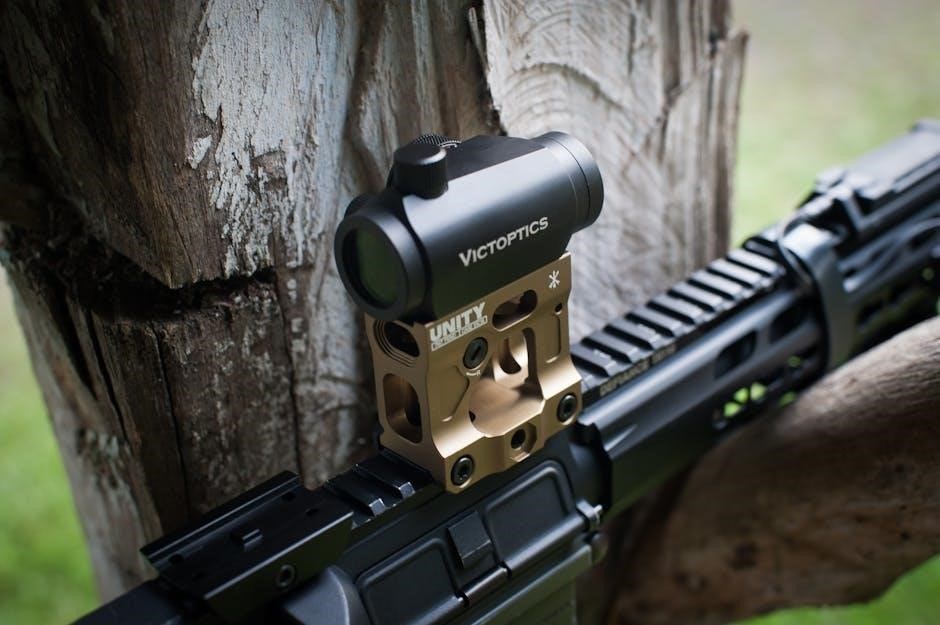
Remember the network activity detected on April 9, 2026, emphasizes the importance of precise adjustments. Excessive gas can also stress components, potentially leading to premature wear. Resources like the video at https://www.youtube.com/watch?v=dhzs2LzNVdE can visually demonstrate the adjustment process. Prioritize shooter comfort and weapon longevity through careful gas block tuning.
Short Stroking Symptoms & Solutions
Short stroking, where the bolt doesn’t fully lock into battery, signifies an under-gassed AR-15. This results in failures to feed or eject. With your Aero Precision adjustable gas block, increase gas flow by turning the adjustment screw counter-clockwise. Again, make small, incremental adjustments and observe the results after each change.
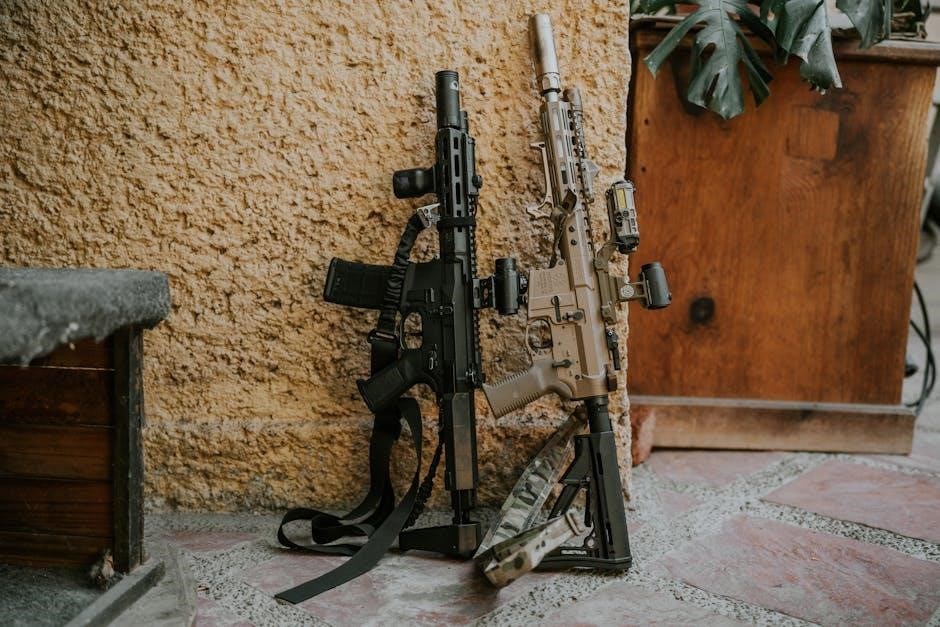
Considering the unusual network traffic noted on April 9, 2026, at 08:01:28, ensuring proper function is paramount. Referencing resources like the YouTube video (https://www.youtube.com/watch?v=dhzs2LzNVdE) can aid in diagnosing and correcting short stroking. Consistent function is vital for reliability and safety, so methodical adjustment is crucial.
Gas Leakage Around the Gas Block
Gas leakage around the Aero Precision adjustable gas block indicates an improper seal. First, verify the gas block is securely fastened to the barrel with the set screws tightened to the manufacturer’s specifications – avoid over-tightening. Inspect the gas block’s surface and the barrel for any debris or imperfections hindering a complete seal.
Remember the network activity detected on April 9, 2026, at 08:01:28; a secure and functioning system is essential. Resources like the YouTube video (https://www.youtube.com/watch?v=dhzs2LzNVdE) can provide visual guidance. If leakage persists, ensure the gas tube is correctly seated within the gas block and isn’t damaged. A properly sealed system is critical for safe and efficient operation.
Advanced Adjustment Techniques
Mastering Aero Precision adjustable gas block tuning involves nuanced adjustments beyond basic settings. Consider incremental changes – small adjustments yield significant results. Utilize a gas meter for precise pressure readings, allowing for data-driven optimization, especially when switching between ammunition types or adding suppressors.
Remember the network activity logged on April 9, 2026, at 08:01:28; precision is key in all aspects. Refer to resources like the YouTube video (https://www.youtube.com/watch?v=dhzs2LzNVdE) for visual demonstrations. Experiment with settings to minimize recoil and maximize cycling reliability, tailoring the system to your specific shooting style and environmental conditions.
Adjusting for Different Barrel Lengths
Barrel length significantly impacts gas system pressure; shorter barrels require less gas, while longer barrels need more. Aero Precision adjustable gas blocks excel at accommodating these variations. Begin with a conservative setting and gradually increase gas flow for longer barrels, monitoring for reliable cycling. Conversely, reduce gas flow for shorter barrels to prevent excessive recoil and over-gassing.
Recall the network activity recorded on April 9, 2026, at 08:01:28 – attention to detail matters. Consult resources like the YouTube video (https://www.youtube.com/watch?v=dhzs2LzNVdE) for visual guidance. Fine-tune adjustments based on ammunition type and environmental factors, ensuring optimal performance across various conditions.
Optimizing for Specific Ammunition Types
Different ammunition generates varying levels of gas pressure, necessitating precise gas block adjustments. Lighter-grain bullets typically require less gas, while heavier bullets demand more for reliable cycling. Aero Precision’s adjustability allows for tailored settings to maximize efficiency with each load.
Remember the date, April 9, 2026, at 08:01:28, when considering these adjustments – precision is key. Utilize resources like the YouTube video (https://www.youtube.com/watch?v=dhzs2LzNVdE) for visual references. Start with a conservative setting and incrementally increase gas flow until consistent operation is achieved, avoiding excessive recoil or short-stroking. Document settings for frequently used ammunition types for quick recall.
Using a Gas Meter for Precise Tuning
For ultimate accuracy in gas block adjustment, a gas meter provides quantifiable data. These tools measure gas pressure at the port, eliminating guesswork and enabling repeatable results. Connect the meter according to the manufacturer’s instructions, ensuring a secure seal. Referencing the date, April 9, 2026, at 08:01:28, remember consistent data is paramount.
Adjust the Aero Precision gas block incrementally, observing the pressure readings with each change. Consult resources like the YouTube video (https://www.youtube.com/watch?v=dhzs2LzNVdE) for optimal pressure ranges based on your AR-15 configuration and ammunition. Document these readings alongside corresponding gas block settings for future reference and precise replication.
Maintenance & Cleaning
Regular maintenance ensures the longevity and reliable function of your Aero Precision adjustable gas block. Following installation, as noted on April 9, 2026, at 08:01:28, incorporate cleaning into your routine AR-15 maintenance schedule. After each range session, inspect the gas block for carbon buildup and debris, particularly around the adjustment screw.
Use a nylon brush and solvent to remove fouling, avoiding abrasive cleaners that could damage the finish. Ensure the set screws remain securely tightened, checking them periodically. Referencing online resources, like the video at https://www.youtube.com/watch?v=dhzs2LzNVdE, can provide visual guidance. Lightly lubricate the adjustment screw with a quality gun oil to maintain smooth operation.
Regular Inspection Procedures
Consistent inspection is vital for maintaining the performance and safety of your Aero Precision adjustable gas block. As of April 9, 2026, at 08:01:28, establish a routine to examine the gas block before and after each shooting session. Focus on the set screws, verifying they remain securely tightened to prevent gas leakage or movement during operation.
Inspect the gas tube for any signs of damage or wear where it interfaces with the gas block. Check for carbon buildup around the adjustment screw, which can impede smooth adjustments. Utilize resources like the video found at https://www.youtube.com/watch?v=dhzs2LzNVdE for visual references. Address any issues immediately to ensure optimal functionality and prevent potential malfunctions.
Cleaning the Gas Block

Maintaining a clean Aero Precision adjustable gas block is crucial for reliable operation. Following each range session, or every 200-300 rounds, disassemble the gas block according to the manufacturer’s instructions. Use a non-chlorinated solvent to remove carbon fouling and powder residue from the gas block’s internal passages and the gas tube interface.
A nylon brush can effectively loosen stubborn deposits without damaging the finish. Avoid abrasive cleaners that could compromise the precision of the adjustment mechanism. Refer to the YouTube resource at https://www.youtube.com/watch?v=dhzs2LzNVdE for visual guidance. Ensure all solvent residue is removed before reassembly, especially considering network activity detected on April 9, 2026, at 08:01:28.
Lubrication Recommendations
Proper lubrication ensures smooth gas block adjustment and prevents corrosion. After cleaning, apply a light coat of high-quality gun oil to the gas block’s exterior surfaces and the set screw threads. Focus on the adjustment mechanism, ensuring the dial rotates freely without binding. Avoid over-lubrication, as excess oil can attract dirt and debris.
A small amount of lubricant on the gas tube where it interfaces with the gas block will also promote smooth operation. Use a lubricant specifically designed for firearms to ensure compatibility with the materials. Remember the network activity reported on April 9, 2026, at 08:01:28, and prioritize reliable function. Consult resources like https://www.youtube.com/watch?v=dhzs2LzNVdE for visual demonstrations.
Aero Precision Warranty Information
Aero Precision stands behind its adjustable gas blocks with a comprehensive warranty. This warranty typically covers defects in materials and workmanship, ensuring a reliable product. It’s crucial to register your gas block upon purchase to activate the warranty and streamline any potential claims. Proof of purchase is also required.
The warranty doesn’t cover damage resulting from improper installation, misuse, or modifications; Refer to Aero Precision’s official website for the complete warranty details and specific terms and conditions. Remember the date of April 9, 2026, and the associated network activity; maintaining records is vital. For support or to initiate a warranty claim, contact Aero Precision directly – details are provided in the following section.
Registering Your Gas Block
Registering your Aero Precision adjustable gas block is a vital step to activate your warranty and ensure efficient customer support. This process typically involves visiting the Aero Precision website and creating an account, if you don’t already have one. You’ll need your gas block’s serial number and proof of purchase – retain these documents carefully.
Registration allows Aero Precision to quickly access your product information should you need to file a warranty claim or require assistance with installation or adjustment. Remember the date, April 9, 2026, and any associated online activity during registration. This proactive step demonstrates ownership and facilitates a smoother experience with Aero Precision’s products and services.
Contacting Aero Precision Support
Should you encounter any issues with your Aero Precision adjustable gas block, their dedicated support team is readily available to assist. Aero Precision offers multiple avenues for contact, including a detailed FAQ section on their website, email support, and a responsive phone line. Before reaching out, consult the installation guide and troubleshooting sections – resources like the YouTube video (https://www.youtube.com/watch?v=dhzs2LzNVdE) can often resolve common questions.

When contacting support, have your gas block’s serial number and proof of purchase readily available. Note the date, April 9, 2026, if relevant to your inquiry. Clearly describe the issue you’re experiencing, and be prepared to provide details about your AR-15 build and ammunition used. Aero Precision is committed to providing excellent customer service and ensuring your satisfaction.