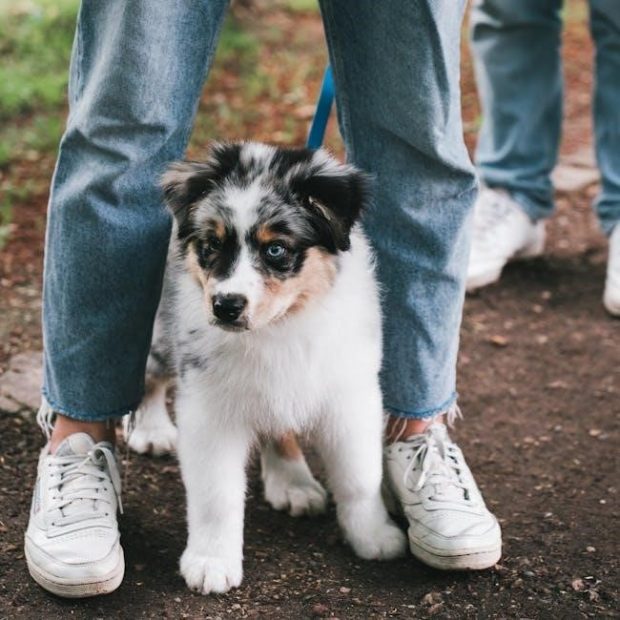
Embarking on puppy parenthood is rewarding, yet demanding! Early training, starting the moment your puppy arrives, is vital for a well-adjusted companion.
Why Early Training is Crucial
Beginning training immediately establishes a strong foundation for lifelong good behavior. Puppies learn rapidly, and early socialization prevents fear and aggression. Consistent training from 2-6 months shapes their understanding of household rules and boundaries.
Instinct Dog Behavior & Training emphasizes that raising a puppy is hard work, and starting early alleviates stress for both owner and pup. It’s about proactively guiding development, not correcting problems later.
Benefits of a Well-Trained Puppy
A well-trained puppy integrates seamlessly into your life, fostering a stronger bond. Training promotes safety – reliable recall prevents wandering, and obedience minimizes risky behaviors. It also enhances your puppy’s confidence and reduces anxiety in various situations.
Proper greetings, as highlighted by Dr. Scott Senf, involve teaching “sit” before rewards, creating a calm interaction. A trained puppy is a happier, more secure puppy, and a joy to own!
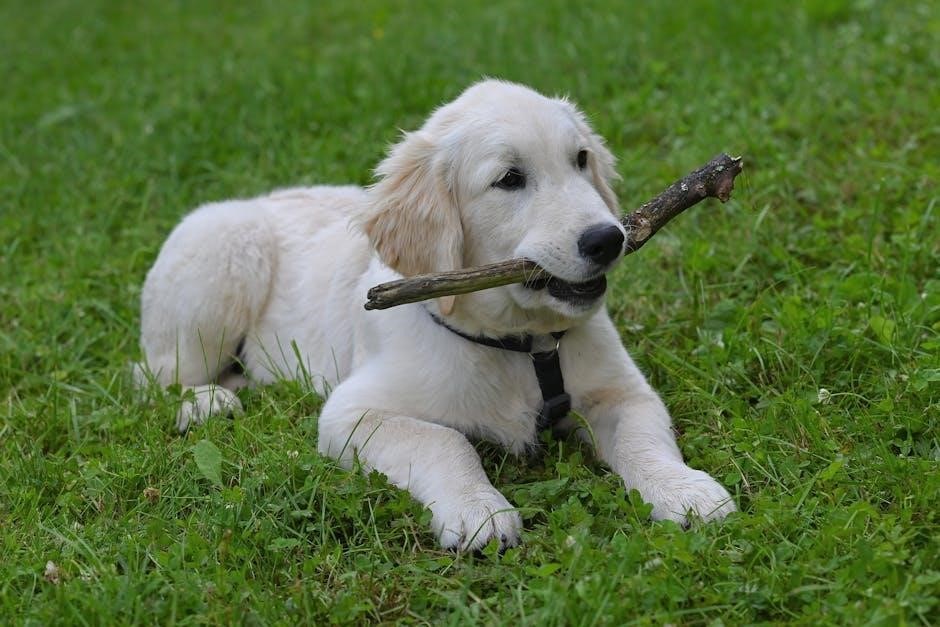
Essential Puppy Training Tools & Resources
Success relies on the right tools! Treats, crates, leashes, and collars are fundamental. Utilize guides from Puppy Training Central for effective learning.
Choosing the Right Treats
Treat selection is paramount for positive reinforcement. Opt for small, soft, and highly palatable options that your puppy loves. Variety keeps things interesting! Use treats to reward desired behaviors immediately, as highlighted in training guides.
Consider your puppy’s size and dietary needs. Avoid anything unhealthy or that could cause digestive upset. Remember, treats are tools – use them strategically and in moderation to reinforce learning, as suggested by experts.
Crate Training Essentials
A crate provides a safe haven for your puppy. Introduce it positively – never as punishment! Make it comfortable with soft bedding and familiar toys. Gradual acclimation is key; start with short periods and reward calm behavior inside.
Avoid common mistakes like leaving the puppy in the crate for excessive durations. The crate should be associated with positive experiences, fostering security and aiding house training, as detailed in puppy guides.
Leash and Collar Selection
Choosing the right equipment is crucial for comfortable leash training. Opt for a lightweight, adjustable puppy collar – ensuring a snug but not tight fit. A 4-6 foot standard leash is ideal for initial training. Avoid retractable leashes initially, as they can encourage pulling.
Gradually introduce your puppy to wearing a collar and leash, pairing it with positive reinforcement and treats, building positive associations.
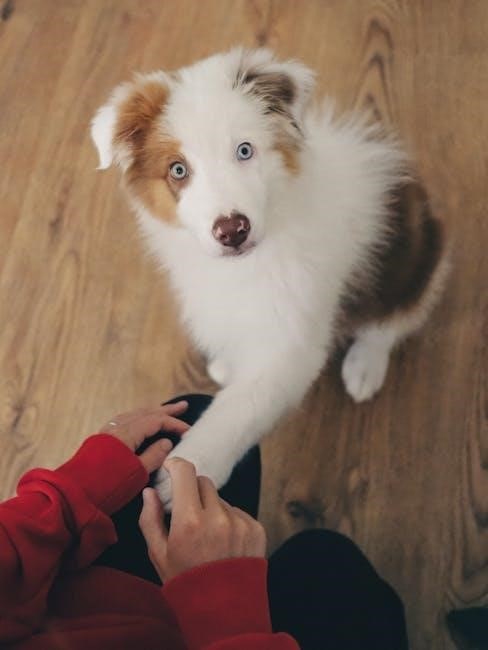
House Training Your Puppy
Consistent routines and recognizing cues are key! Establish a potty schedule, reward successful elimination outdoors, and diligently clean up accidents indoors immediately.
Establishing a Potty Schedule
A predictable schedule is foundational for house training success. Take your puppy out frequently – every 2-3 hours, especially after waking up, playing, and eating. Consistent timing helps establish a routine. Immediately reward successful potty breaks outside with praise and a treat.
Initially, confine your puppy when unsupervised to minimize accidents. Gradually increase the intervals between potty breaks as your puppy matures and gains bladder control. Patience and consistency are paramount!
Recognizing Potty Cues
Observing your puppy closely is key to preventing accidents. Common cues include circling, sniffing intensely at the floor, squatting, whining, scratching at the door, or becoming restless. Learn your puppy’s individual signals!
Interrupt the behavior gently if you catch them in the act indoors and immediately guide them outside to their designated potty spot. Positive reinforcement follows successful outdoor elimination.
Dealing with Accidents
Accidents will happen – remain calm and avoid punishment! Clean the area thoroughly with an enzymatic cleaner to eliminate odors and discourage repeat offenses. Scolding or rubbing your puppy’s nose in it is counterproductive and creates fear.
Instead, focus on preventing future accidents by closely monitoring for potty cues and reinforcing successful outdoor elimination with praise and rewards.

Basic Obedience Commands
Foundational commands like “sit,” “stay,” “come,” and “down” build a strong bond and provide structure. Positive reinforcement is key for success!
Teaching “Sit”
Begin by holding a treat close to your puppy’s nose. Slowly move it upwards and backwards over their head, encouraging them to naturally lower their rear. As their bottom touches the ground, say “Sit!” and immediately reward with the treat. Repeat this process consistently.
Initially, practice in a quiet environment. Gradually introduce distractions as your puppy improves. Have friends ask your puppy to “sit” before offering a treat, reinforcing proper greetings. Remember, consistency and positive reinforcement are crucial for success!
Teaching “Stay”
Once your puppy reliably “sits,” introduce “Stay.” Initially, ask them to “Sit,” then say “Stay” in a calm voice, holding your hand up like a stop sign. Start with very short durations – just a second or two.
Reward immediately if they remain in place. Gradually increase the duration of the “Stay” as they improve. If they break the stay, gently reposition them and start again. Avoid repeating the command excessively; one clear cue is best.
Teaching “Come” (Recall)
A reliable recall is crucial for your puppy’s safety! Begin in a quiet, enclosed space. Say your puppy’s name followed by “Come” in a cheerful tone. As they approach, back away slightly to encourage movement.
Reward enthusiastically with praise and a high-value treat when they reach you. Gradually increase the distance and introduce distractions. Always make “Come” a positive experience – never use it to scold!
Teaching “Down”
“Down” is a valuable command for calming and controlling your puppy. Lure your puppy into a down position by holding a treat near their nose and slowly lowering it to the floor. As they follow the treat, say “Down”.
Reward immediately when their elbows touch the ground. Repeat frequently, gradually phasing out the lure. Ensure positive reinforcement; avoid pushing or forcing your puppy into the position.
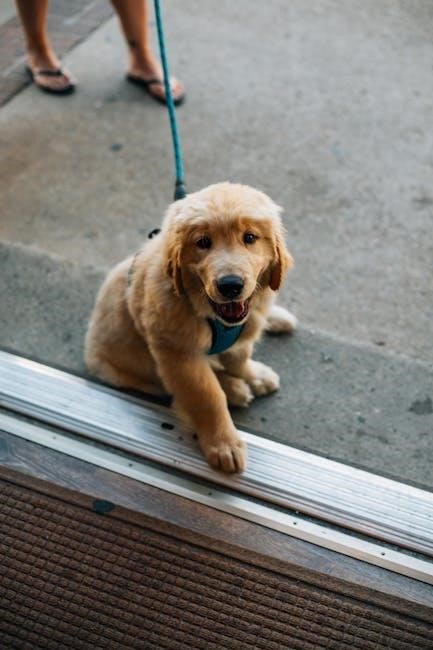
Socialization: A Critical Period
Early socialization is paramount for a confident, well-adjusted dog. Expose your puppy to diverse sights, sounds, people, and environments safely and positively.
The Importance of Early Socialization
Socialization during the critical period (2-6 months) profoundly impacts your puppy’s future behavior. Positive experiences during this time build confidence and reduce the likelihood of fear or aggression. Exposure to various stimuli – people, dogs, environments, sounds – helps your puppy learn to cope with novelty.
A well-socialized puppy is more adaptable, resilient, and enjoys a higher quality of life. Neglecting socialization can lead to anxiety, reactivity, and behavioral problems later on. Prioritize safe, controlled interactions to foster a well-rounded temperament.
Safe Socialization Practices
Prioritize positive, controlled experiences during socialization. Introduce your puppy to new things gradually, ensuring they remain comfortable and not overwhelmed. Avoid forcing interactions; let your puppy approach at their own pace.
Seek out puppy classes or playdates with known, vaccinated dogs. Supervise interactions closely, and intervene if your puppy shows signs of stress. Reward calm behavior around new stimuli. A fearful dog should not be reassured, as this can reinforce the fear.
Exposure to Different Environments
Broaden your puppy’s horizons by safely exposing them to varied sights, sounds, and surfaces. This includes car rides, walks in parks, and visits to pet-friendly stores.
Introduce them to different people – men, women, children – always ensuring positive interactions. Vary the terrain; let them experience grass, concrete, wood, and even metal grates. Controlled exposure builds confidence and prevents fear-based reactivity later in life, fostering a well-adjusted dog.
Crate Training: A Safe Haven
A crate provides a secure den for your puppy. Positive introductions, gradual acclimation, and avoiding punishment are key to successful crate training.
Introducing the Crate Positively
Begin by making the crate a welcoming space. Place comfortable bedding and favorite toys inside. Initially, simply encourage your puppy to explore it on their own, tossing treats inside to create positive associations; Never force your puppy into the crate; allow them to enter voluntarily. Feed meals inside the crate with the door open, gradually increasing comfort. Associate the crate with positive experiences, like chew toys, to build a safe haven, not a punishment zone.
Gradual Crate Acclimation
Once comfortable entering, start short crate sessions. Begin with a few minutes while you’re present, gradually increasing the duration. Progress to leaving the puppy in the crate while you’re in another room, returning before any distress occurs. Avoid prolonged absences initially. Ensure the puppy has eliminated before crating. A calm departure and return reinforces the crate as a positive, secure space, preventing anxiety.
Avoiding Common Crate Training Mistakes
Never use the crate as punishment! This creates negative associations. Avoid leaving the puppy in the crate for excessively long periods, leading to distress. Don’t respond to whining with attention; only release when quiet. Ensure the crate isn’t too large, preventing the puppy from eliminating in one corner and sleeping in another. Provide appropriate chew toys for enrichment.
Leash Training & Walking Manners
Introduce the leash gradually, associating it with positive experiences. Practice short, controlled walks, rewarding loose-leash walking to establish good habits early on.
Getting Your Puppy Comfortable with a Leash
Begin by simply letting your puppy wear a lightweight collar for short periods, increasing the duration as they become accustomed to it. Next, attach the leash and allow them to drag it around indoors under supervision. This helps them associate the leash with freedom, not restriction;
Reward calm behavior while wearing the leash. Avoid forcing it on them; instead, use positive reinforcement with treats and praise. Short, positive leash-wearing sessions build confidence and prevent negative associations. Eventually, begin holding the leash during playtime, maintaining a relaxed and encouraging demeanor.
Loose-Leash Walking Techniques
The goal is a relaxed walk with a slack leash. Start in a low-distraction environment. When your puppy moves forward on a loose leash, offer verbal praise and a treat delivered at your side. If the leash tightens, immediately stop walking.
Wait for the puppy to return to your side, then resume walking. Consistency is key! Avoid pulling or jerking the leash, as this can create a negative association. Reward frequently for maintaining a loose leash, gradually increasing the duration and introducing distractions.
Preventing Pulling
Pulling often stems from excitement or wanting to explore. Proactive management is crucial. Utilize the “stop and redirect” method: the instant your puppy pulls, halt forward motion.
Wait until the leash loosens, then reward and continue. Change direction frequently to keep your puppy engaged and anticipating your lead. Avoid allowing pulling to get your puppy where they want to go; you control the destination. Consistent application yields the best results.

Addressing Common Puppy Problems
Puppies explore with their mouths! Nipping, chewing, and jumping are typical behaviors requiring redirection and consistent training to establish boundaries.
Nipping and Biting
Puppy nipping is often exploratory, not aggressive. Redirect this behavior with appropriate chew toys. If your puppy bites too hard during play, yelp loudly and briefly stop interaction. This mimics how littermates communicate; Consistent redirection and teaching bite inhibition are crucial. Never encourage rough play with your hands. A tired puppy is less likely to nip, so ensure adequate mental and physical stimulation. Remember, patience and positive reinforcement are key to modifying this common puppy behavior.
Chewing
Chewing is a natural puppy behavior, driven by teething and exploration. Provide a variety of safe and appropriate chew toys with differing textures. Puppy-proof your home by removing tempting items. Redirect chewing from inappropriate objects to designated toys. If you catch your puppy chewing something forbidden, calmly replace it with an acceptable alternative. Consistent supervision and management are essential to protect your belongings and guide your puppy’s chewing habits.
Jumping
Puppies often jump to greet people, seeking attention. The best approach is to ignore the jumping behavior – turn away, avoid eye contact, and don’t speak. Only offer attention when all four paws are on the ground. Teach an alternative behavior, like “sit,” to encourage a calmer greeting. Consistency is key; everyone interacting with the puppy must follow the same rules to prevent reinforcing the unwanted behavior.
Dealing with Separation Anxiety
Recognizing anxiety signs is crucial. Strategies include gradual departures, providing enriching activities, and avoiding dramatic goodbyes to minimize stress.
Recognizing Signs of Anxiety
Identifying anxiety early is key to helping your puppy. Common signs include destructive chewing, excessive barking or whining, pacing, and attempts to escape. You might also observe accidents in the house, even after being reliably house-trained.
Other indicators are restlessness, panting when not physically exerted, and a generally clingy or agitated demeanor when you prepare to leave. Pay close attention to behavioral changes; these can signal underlying distress requiring intervention.
Strategies for Reducing Anxiety
Counterconditioning and desensitization are powerful tools. Gradually expose your puppy to anxiety triggers in a controlled manner, pairing them with positive reinforcement like treats. Create a safe space – a crate or designated area – where your puppy feels secure.
Provide plenty of mental stimulation through puzzle toys and training sessions. Avoid reinforcing anxious behaviors with excessive reassurance; instead, reward calm behavior.
When to Seek Professional Help
Don’t hesitate to consult a qualified dog trainer or veterinary behaviorist if anxiety is severe or escalating. Signs include destructive behavior, excessive vocalization, or inability to self-soothe.
Professional guidance can provide tailored strategies and rule out underlying medical conditions contributing to the anxiety. Early intervention often yields the best results, preventing issues from becoming deeply ingrained.
Positive Reinforcement Techniques
Reward desired behaviors with treats, praise, or toys! This builds positive associations, encouraging repetition and strengthening the bond with your puppy.
Understanding Positive Reinforcement
Positive reinforcement focuses on rewarding behaviors you want to see, making them more likely to occur again. It’s about adding something desirable – a treat, praise, a toy – immediately after the puppy performs the desired action. This differs drastically from punishment, which can create fear and anxiety.
Effectively, you’re communicating to your puppy, “Good job! Doing this gets you something good!” This method fosters a happy, confident learner, building a strong relationship based on trust and encouragement, rather than coercion.
Using Rewards Effectively
Reward timing is crucial! Deliver the treat or praise within seconds of the desired behavior. High-value rewards – those your puppy really loves – are best for new or challenging commands. Vary rewards to keep things interesting; sometimes a treat, sometimes enthusiastic praise, or a favorite toy.
Avoid constantly luring with a treat; fade the lure as the puppy understands the command. Remember, rewards aren’t bribes, they’re acknowledgements of good behavior!
Avoiding Punishment
Punishment can hinder training and damage your bond. It often creates fear and anxiety, suppressing behavior rather than teaching what you want your puppy to do. Instead of correcting mistakes, focus on rewarding desired behaviors.
If your puppy has an accident, simply clean it up without scolding. Reassuring a fearful dog can inadvertently reinforce the fear. Positive reinforcement builds confidence and a stronger relationship.
Puppy Development Stages & Training Adjustments
Puppy training evolves! Between 2-6 months, focus on socialization and basic obedience. Adapt your approach as your puppy matures and learns.
2-6 Month Training Focus
This period is crucial for foundational skills! Prioritize socialization, exposing your puppy to various sights, sounds, people, and friendly dogs. Continue reinforcing basic obedience commands like sit, stay, and come.
Short, positive training sessions are most effective. Focus on building a strong bond through play and rewards. Address nipping and chewing behaviors with redirection. Instinct Dog Behavior & Training highlights this as a key phase for establishing good habits.
Adapting Training as Your Puppy Grows
As your puppy matures, training must evolve! Increase the duration and difficulty of exercises gradually. Introduce distractions to proof commands in real-world scenarios.
Teenage puppies may test boundaries, requiring consistent reinforcement. Consider advanced concepts like clicker training or shaping behaviors. Remember, patience is key! Puppy Training Central emphasizes understanding developmental stages for effective adjustments, ensuring continued progress.
Advanced Training Concepts
Explore clicker training for precise communication and shaping behaviors to encourage desired actions incrementally. These methods build upon foundational obedience skills.
Clicker training utilizes a distinct sound to mark the exact moment your puppy performs a desired behavior. This creates a clear association between the action and reward. Initially, “charge” the clicker by pairing it with high-value treats – click, then immediately give a treat.
The clicker isn’t a reward itself, but a predictor of one! It’s incredibly precise, allowing you to capture subtle behaviors. Consistency is key; always follow a click with a reward. This method excels at shaping complex behaviors through successive approximations.
Shaping Behaviors
Shaping involves rewarding successive approximations towards a desired behavior. Break down complex actions into smaller, achievable steps. For example, teaching “down” – reward any lowering of the chest, then lower and lower until the puppy is fully prone.
Be patient and observant! Reward even slight improvements. Avoid asking for too much too soon. Shaping builds confidence and encourages problem-solving. It’s particularly effective when combined with clicker training for precise marking of desired actions.
Resources for Further Learning
Expand your knowledge with recommended books and online courses! Seek guidance from qualified dog trainers for personalized support and effective techniques.
Recommended Books on Puppy Training
Delve into comprehensive guides to enhance your puppy training journey! Helen Sutherland’s “The Complete Guide To Training A New Puppy” offers a step-by-step approach, covering house training, leash manners, and addressing anxiety. Dr. Scott Senf, Anne Briley, and Karen Spencer’s guide emphasizes early socialization and consistent command practice. These resources provide valuable insights into understanding canine behavior and implementing effective, positive reinforcement techniques for a well-behaved and happy pup.
Online Puppy Training Courses
Access expert guidance from the comfort of your home with online puppy training! Platforms like Ultimate Puppy offer free guides and essential tips, organizing training into key areas like socialization and development. Instinct Dog Behavior & Training provides a guidebook for puppies aged 2-6 months, addressing common challenges. These courses deliver structured learning, supporting you in building a strong bond and fostering positive behaviors in your new companion.
Finding a Qualified Dog Trainer
For personalized support, consider a certified dog trainer! While online resources like Ultimate Puppy and Instinct Dog Behavior & Training are valuable, a trainer offers tailored solutions. Look for trainers experienced in positive reinforcement methods, avoiding those advocating punishment. A skilled professional can address specific behavioral issues and guide you through advanced techniques, ensuring a well-behaved and happy puppy.